
Swiss made watch brands range from century-old Geneva houses to modern disruptors, and from five-figure collector pieces to watches under £200. Here are 25 names that define Swiss watchmaking today, with when they were founded, who owns them and the models to look for.
As we write about luxury brands, we’ve been fortunate to see many of these up close, and we’re always impressed by the craftsmanship and design details.
What Are the Best Swiss Made Watch Brands?
1. Rolex
Founded: 1905, London | Based: Geneva | Owner: Hans Wilsdorf Foundation | Icons: Submariner, Daytona, Datejust
Founded in London by Hans Wilsdorf, Rolex moved to Geneva in 1919 and is now the largest Swiss watch brand by a wide margin. Analysts estimate it accounts for about a third of the entire Swiss watch market by value.

2. Patek Philippe
Founded: 1839, Geneva | Owner: Stern family | Icons: Calatrava, Nautilus, Grand Complications
Family-owned since 1932, Patek Philippe is famous for complicated watches and strong resale values. The Nautilus, designed by Gérald Genta in 1976, remains one of the most sought-after steel sports watches ever made.

3. Audemars Piguet
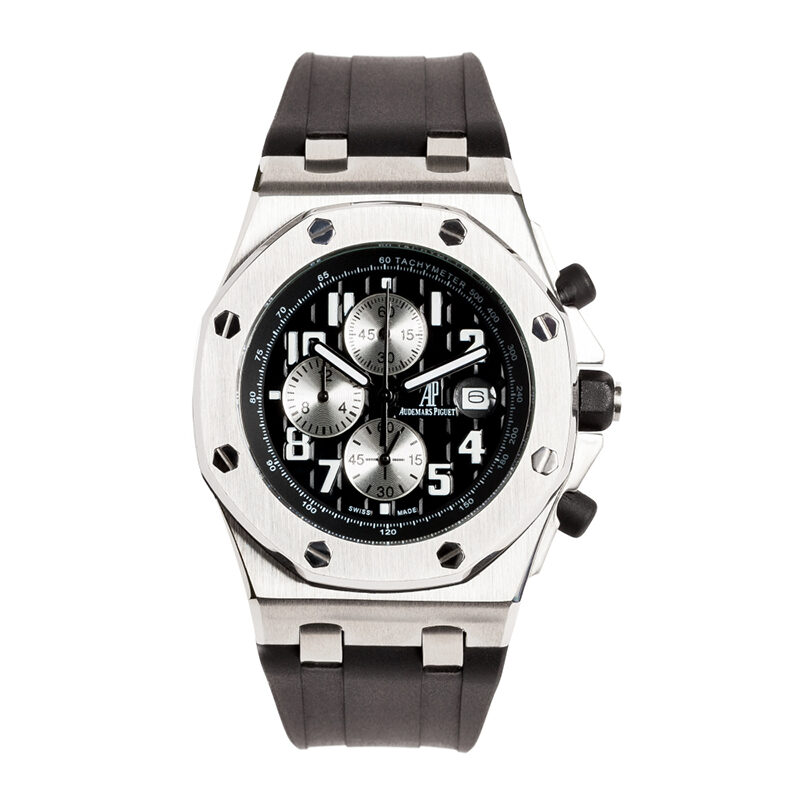
Founded: 1875, Le Brassus | Owner: Founding families | Icons: Royal Oak, Royal Oak Offshore, Code 11.59
Still run by its founding families in the Vallée de Joux, Audemars Piguet changed luxury watchmaking in 1972 with the Royal Oak. Its octagonal bezel and integrated steel bracelet invented the luxury sports watch category.
4. Vacheron Constantin
Founded: 1755, Geneva | Owner: Richemont | Icons: Overseas, Patrimony, Historiques
The oldest watch manufacture in continuous operation, Vacheron Constantin completes the “Holy Trinity” with Patek Philippe and Audemars Piguet. It is renowned for decorative arts such as enamelling and engraving.

5. Cartier
Founded: 1847, Paris | Watches made in: La Chaux-de-Fonds | Owner: Richemont | Icons: Santos, Tank, Panthère
Cartier is a Parisian jeweller, but its watches are Swiss made, and it is now the second-largest Swiss watch brand by sales. The Santos of 1904 was one of the first wristwatches designed for men.

6. Omega
Founded: 1848, La Chaux-de-Fonds | Based: Biel/Bienne | Owner: Swatch Group | Icons: Speedmaster, Seamaster, Constellation
Omega’s Speedmaster went to the Moon with Apollo 11 in 1969, and the Seamaster has been James Bond’s watch since 1995. Today’s Moonwatch still uses a hand-wound chronograph movement.

7. Richard Mille
Founded: 2001, Les Breuleux | Owner: Independent | Icons: RM 011, RM 027 (Rafael Nadal)
The youngest brand on this list, Richard Mille built its reputation on ultra-light, shock-resistant watches made from carbon composites and titanium. Its sports ambassadors wear them while competing.

8. Breguet
Founded: 1775, Paris | Based: L’Abbaye, Vallée de Joux | Owner: Swatch Group | Icons: Classique, Marine, Tradition
Abraham-Louis Breguet patented the tourbillon in 1801 and invented the “Breguet hands” still used across the industry. The house celebrated its 250th anniversary in 2025.

9. Jaeger-LeCoultre
Founded: 1833, Le Sentier | Owner: Richemont | Icons: Reverso, Master Ultra Thin, Atmos clock
Known as “the watchmaker’s watchmaker”, Jaeger-LeCoultre has developed more than a thousand calibres. Its Reverso, launched in 1931 for polo players, has a case that flips over to protect the crystal.

10. Blancpain
Founded: 1735, Villeret | Based: Le Brassus | Owner: Swatch Group | Icons: Fifty Fathoms, Villeret
Blancpain is the oldest registered watch brand. Its Fifty Fathoms of 1953 is widely regarded as the first modern dive watch, and since its 1983 revival the brand has made only mechanical watches.

11. F.P. Journe
Founded: 1999, Geneva | Owner: Independent (Chanel holds a minority stake) | Icons: Chronomètre à Résonance, Tourbillon Souverain
François-Paul Journe makes small numbers of watches with in-house movements, many cased in gold. It’s the independent that serious collectors queue for.

12. IWC Schaffhausen
Founded: 1868, Schaffhausen | Owner: Richemont | Icons: Portugieser, Pilot’s Watches, Portofino
Founded by an American engineer in German-speaking Switzerland, IWC is known for clean, highly legible pilot’s watches and the elegant Portugieser.

13. Panerai
Founded: 1860, Florence | Watches made in: Neuchâtel | Owner: Richemont | Icons: Luminor, Radiomir
Panerai began by supplying the Italian Navy. Its large cushion-shaped cases and crown-protecting bridge are instantly recognisable, and its watches have been Swiss made since the brand’s modern relaunch.
Paul and I were fortunate to try on several Panerai watches at a promotional event on the Isle of Wight. The Luminor, recognisable by the lever-locking bridge over its crown, began life as a dive watch for Italian Navy commandos.

14. Hublot
Founded: 1980, Nyon | Owner: LVMH | Icons: Big Bang, Classic Fusion
Hublot was the first to pair a gold case with a rubber strap. Its 2005 Big Bang made “the art of fusion” (mixing unusual materials such as ceramic, sapphire and carbon) the brand’s signature.

15. Zenith
Founded: 1865, Le Locle | Owner: LVMH | Icons: El Primero, Defy, Chronomaster
Zenith’s El Primero of 1969 was one of the first automatic chronograph movements, and its high-frequency design is still in production today.

16. TAG Heuer
Founded: 1860, Saint-Imier | Based: La Chaux-de-Fonds | Owner: LVMH | Icons: Carrera, Monaco, Aquaracer
A motorsport brand at heart, Heuer became TAG Heuer in 1985. Steve McQueen wore the square Monaco in the 1971 film Le Mans.

17. Breitling
Founded: 1884, Saint-Imier | Based: Grenchen | Owner: Privately owned | Icons: Navitimer, Chronomat, Superocean
Breitling is synonymous with aviation. The Navitimer’s circular slide-rule bezel lets pilots calculate speed and fuel consumption. The brand joins Watches and Wonders Geneva for the first time in 2027.

18. Tudor
Founded: 1926 (company 1946) | Based: Geneva | Owner: Rolex (Hans Wilsdorf Foundation) | Icons: Black Bay, Pelagos
Rolex’s sister brand offers robust, vintage-inspired sports watches with in-house movements at a fraction of Rolex prices.

19. Longines
Founded: 1832, Saint-Imier | Owner: Swatch Group | Icons: Spirit, HydroConquest, Master Collection
Longines is a long-standing official timekeeper of equestrian sport, and its winged hourglass logo is one of the oldest registered trademarks still in use. It offers excellent heritage design for the money.
20. Oris
Founded: 1904, Hölstein | Owner: Independent | Icons: Aquis, Big Crown Pointer Date
Oris makes only mechanical watches and has been independently owned since a management buyout in 1982. It’s a favourite for a first serious Swiss watch.

21. Tissot
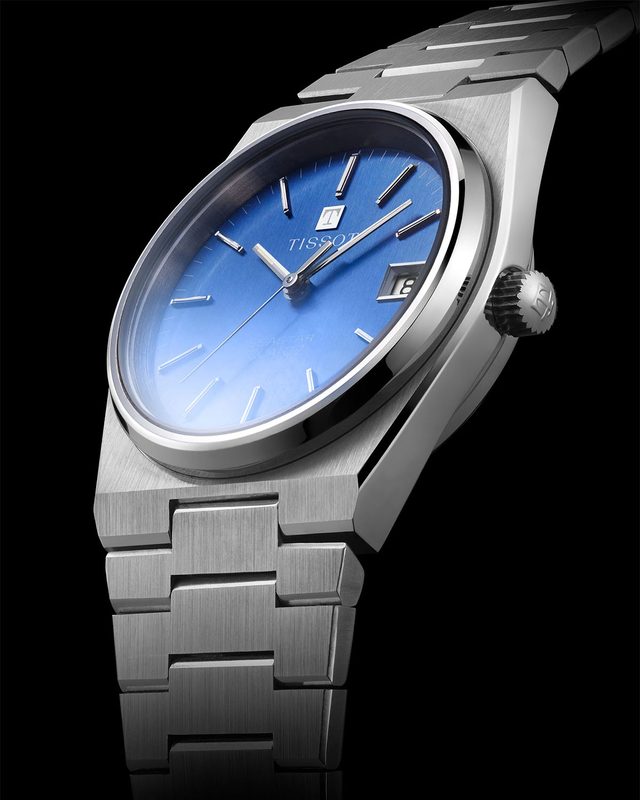
Founded: 1853, Le Locle | Owner: Swatch Group | Icons: PRX, Seastar, Le Locle
Tissot’s PRX, an integrated-bracelet design revived in 2021, brought the luxury sports watch look within reach of many more buyers.
22. Hamilton
Founded: 1892, Lancaster, Pennsylvania | Based: Biel/Bienne | Owner: Swatch Group | Icons: Khaki Field, Ventura, Jazzmaster
Hamilton has American roots but Swiss-made watches. It has appeared in hundreds of films, from Interstellar to the Elvis-era Ventura.

23. Baume & Mercier
Founded: 1830 (as Frères Baume) | Based: Geneva | Owner: Damiani Group (since 2026) | Icons: Clifton, Riviera
Baume & Mercier offers understated dress and sports watches at accessible luxury prices. In July 2026 the Italian jewellery group Damiani completed its purchase of the brand from Richemont.
24. Victorinox
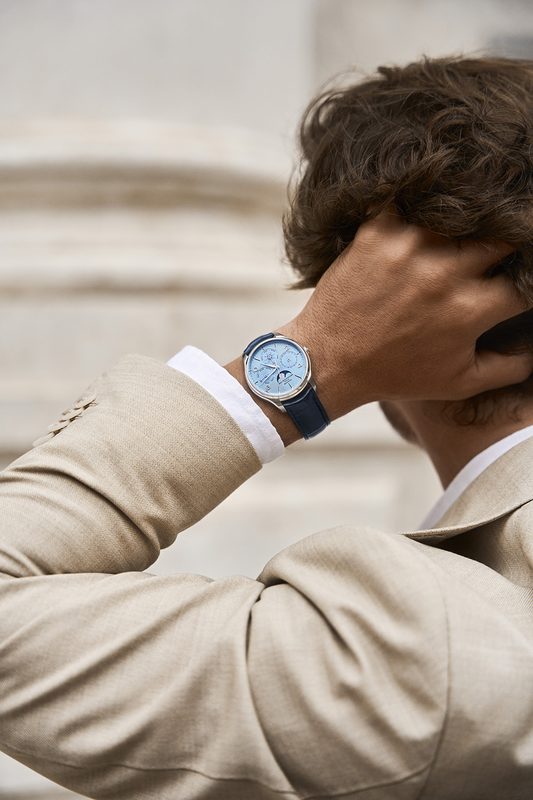
Watches since: 1989 | Based: Delémont | Owner: Victorinox (family-owned) | Icons: I.N.O.X., Journey 1884
From the makers of the Swiss Army Knife, Victorinox watches are built to survive extreme tests. The I.N.O.X. line was famously driven over by a tank.

25. Swatch
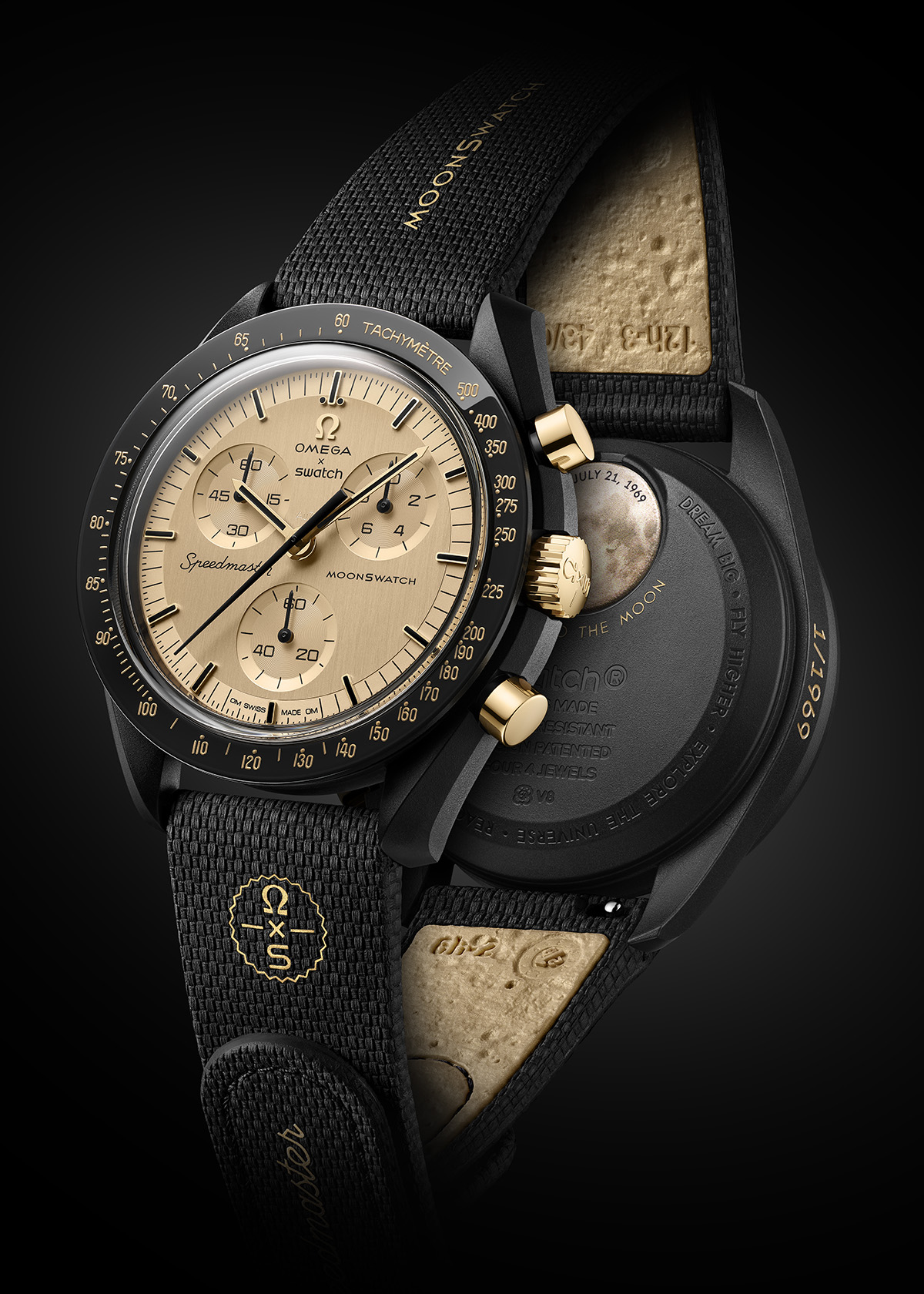
Founded: 1983, Biel/Bienne | Owner: Swatch Group | Icons: Original Gent, MoonSwatch, Royal Pop
Launched on 1 March 1983 with only 51 parts, the plastic Swatch helped rescue Swiss watchmaking after the Quartz Crisis. Its collaborations, including the MoonSwatch with Omega and the 2026 Royal Pop with Audemars Piguet, still cause queues outside boutiques.
Who Owns Which Swiss Watch Brands?
Independent or family-owned: Rolex and Tudor (Hans Wilsdorf Foundation), Patek Philippe, Audemars Piguet, Richard Mille, F.P. Journe, Oris, Breitling, Victorinox
Swatch Group: Omega, Breguet, Blancpain, Longines, Tissot, Hamilton, Rado, Swatch, Harry Winston, Jaquet Droz, Certina, Mido
Richemont: Cartier, Vacheron Constantin, Jaeger-LeCoultre, IWC Schaffhausen, Panerai, Piaget, Roger Dubuis
LVMH: TAG Heuer, Hublot, Zenith, Bulgari, L’Epée 1839, Daniel Roth, Gérald Genta
Damiani Group: Baume & Mercier
What ‘Swiss Made’ Actually Means
The ‘Swiss Made’ label is not a marketing term; it is a legal designation governed by Swiss federal law. Every brand on this list must meet Switzerland’s strict legal definition of ‘Swiss Made’, which requires at least 60% of manufacturing costs to be incurred in Switzerland.
For you as a buyer, this matters in a very practical way. It means every Swiss made watch brand on this page has passed through layers of domestic quality control that imports simply cannot replicate.
Historical Context of Swiss Watchmaking
Swiss watchmaking is steeped in a rich heritage that has profoundly influenced the world. Your appreciation of timepieces will deepen when you understand the historical context behind them.
Origins and Pioneers
Switzerland’s entry into watchmaking began in the 16th century. Geneva was a central hub due to Huguenot refugees bringing their skills here.
Jehan-Jacques Blancpain took a significant step in 1735 by establishing what is now the oldest surviving watchmaking brand in the world. As you dive into the long history of Swiss watchmaking, it’s crucial to recognize the pivotal role played by pioneers who transitioned from the pocket watch to the wristwatch, laying a foundation for an industry that would eventually dominate the globe.
Significant Historical Events
Several events have been crucial in shaping the Swiss watch industry. The Quartz Crisis of the 1970s and 1980s tested the resilience of the traditional Swiss mechanical watchmakers as they faced stiff competition from mass-produced electronic watches.
Swiss brands adapted, focusing on luxury mechanical watches and creating a niche market that continues to thrive. This adaptability stands as a testament to the enduring nature of the industry’s rich heritage.
Luxury Segment Leaders
Within the luxury segment, Patek Philippe and Audemars Piguet are storied names that represent the pinnacle of watchmaking. Patek Philippe is celebrated for its intricate complications and revered collections like the Calatrava. It’s also one of the watch brands that holds its value best.
Audemars Piguet, known for the iconic Royal Oak, continues to demonstrate innovative craftsmanship. Vacheron Constantin, another illustrious brand, boasts a remarkable legacy of more than 270 years, making it one of the longest-standing watchmakers in the world.
Accessible Swiss Brands
For those seeking quality Swiss-made watches at more accessible price points, brands such as TAG Heuer and Baume & Mercier offer precision and heritage without the exorbitant price tags of the high-end luxury market. TAG Heuer is notably recognized for its strong ties to motorsport and chronograph expertise, while Baume & Mercier balances elegance with casual sportiness.
Tissot and Hamilton are two more affordable Swiss watch brands. Victorinox, the renowned Swiss army knife patent holder, also makes a range of reasonably priced watches. And in 1981, Swatch revolutionized the Swiss watchmaking industry with the world’s first plastic watch.
Up-and-Coming and Niche Brands
Brands like Richard Mille have made a significant impact as niche market leaders, known for their futuristic designs and use of unconventional materials. Despite their newcomer status compared to centennial brands, they have garnered a substantial following by pushing the boundaries of traditional watchmaking.
Swiss Group-Owned Brands
The Swatch Group is a major player in the Swiss watch industry, owning several well-known brands including Omega and Longines. The Omega Speedmaster, part of the Group’s portfolio, has a storied history as the first watch on the Moon. Swatch Group’s influence cannot be understated, fostering diverse offerings ranging from accessible to luxury segments.
Swiss Watch Design and Craftsmanship
Unique Design Elements
Swiss watches often feature distinctive design elements that appeal directly to you as a watch enthusiast. Audemars Piguet’s Royal Oak series is a notable example, recognizable by its octagonal stainless steel bezel and integrated bracelet. The dials on Swiss watches not only display time but are considered masterpieces themselves, often showcasing complex patterns and textures that require a meticulous eye for detail.
Technological Advancements in Watchmaking
Swiss watchmakers incorporate cutting-edge technology in their designs. The chronograph function offers precision timing, while the tourbillon mechanism compensates for gravity-related discrepancies, thereby enhancing accuracy. These technological advancements have revolutionized the functionalities of sport watches, extending their appeal beyond mere utility to treasured collector items.
Material Selection and Craftsmanship
Swiss watchmakers select only the finest materials, including precious metals and robust stainless steel cases. The intricate craftsmanship is what you feel and see: whether it is in the hand-polished detailing or the durability that makes every watch not just a device to tell time, but a legacy to wear.
- Precious Metals: Typically, gold and platinum are used for special editions, adding to the exclusivity and value.
- Stainless Steel: Chosen for its resilience and sheen, it’s broadly used for cases and bracelets, preserving beauty without compromising strength.
Swiss Watch Functional Features and Innovations
Swiss watchmakers have long been at the forefront of horological innovation, offering an array of functional features that cater to various demands.
Timekeeping Innovations
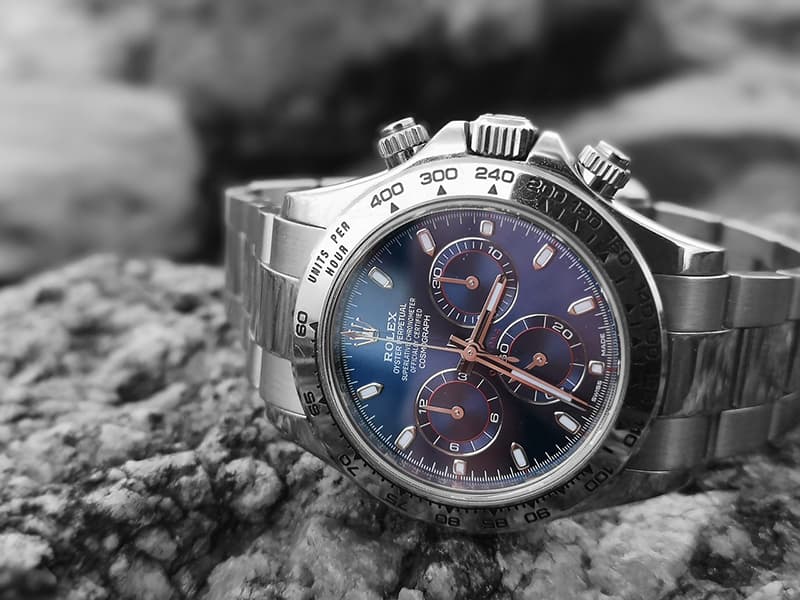
Swiss brands have advanced timekeeping accuracy with high-precision chronographs and multiple time zones functionality. Rolex’s Cosmograph Daytona and Patek Philippe’s chronograph watches boast sophisticated mechanisms that measure elapsed time to a precise fraction of a second.
Brands like Jaeger-LeCoultre have also developed watches capable of displaying multiple time zones simultaneously, essential for today’s global traveler.
Chronographs: Stopwatch functions included in timepieces for accurate measurement of elapsed time.
- Breitling Navitimer: Features a circular slide rule for pilots to perform calculations.
Time Zones: Watches showing more than one time zone at once.
- Rolex GMT-Master II: Allows wearers to read different time zones through an additional hand and a rotatable 24-hour graduated bezel.
Water Resistance and Dive Watches
Swiss-made dive watches such as the Rolex Submariner and the Omega Seamaster are constructed to endure extreme water pressure, meeting the needs of professional divers. These timepieces not only offer high levels of water resistance but also include specialized features like unidirectional rotating bezels to measure diving time and luminescent hands and markers for readability underwater.
Water Resistance: Capability to withstand water ingress to certain depths.
- TAG Heuer Aquaracer: Water-resistant up to 300 meters and features a scratch-resistant ceramic bezel.
Dive Watches: Built to survive the rigorous conditions of underwater exploration.
- Rolex Sea-Dweller: Water-resistant up to 1,220 meters with a helium escape valve for deep sea diving missions.
Specialized Watches for Different Uses
Swiss brands excel in creating sports watches tailored to specific activities, furnishing athletes and adventurers with requisite functionality. Pilot watches such as the IWC Pilot’s Watches are renowned for their legibility and robustness. Automatic movements in sports watches like the Audemars Piguet Royal Oak Offshore ensure accuracy even in the most vigorous conditions.
Sports Watches: Designed for rugged use and often incorporate additional features like tachymeter scales.
- TAG Heuer Carrera: Equipped with a tachymeter scale for measuring speed over a known distance.
Pilot Watches: Provide easy readability and often feature complications such as a chronograph for navigational calculations.
- Breitling Chronomat: Comes with a rider-tab bezel for aviation-related calculations.
Automatic Movement: Mechanical movement that winds itself as you move, ensuring continuous operation.
- Omega Speedmaster: Utilizes a manual-winding chronograph movement with Co-Axial escapement.
Cultural and Celebrity Impact on the Swiss Watchmaking Industry
Swiss watches have become icons, often linked to status and prestige, courtesy of their presence in film and association with celebrities. Their cultural impact is manifested through appearances in classic movies and partnerships with well-known figures.
Swiss Watches in Film and Media
- Steve McQueen: The “King of Cool,” Steve McQueen famously wore a TAG Heuer Monaco in the 1971 film Le Mans, cementing its status as an emblem of motorsport and watch enthusiasts alike.
- James Bond: Swiss watches, particularly Rolex and Omega, have been timekeepers of choice for the fictional spy James Bond, showcasing the blend of elegance and functionality. Your recognition of such a watch on James Bond’s wrist spurs associations with sophistication and adventure.
- Royal Flying Corps: According to Omega, during WWI, the British Royal Flying Corps chose Omega watches as their official timepieces, recognizing their precision and reliability. This historic endorsement still echoes in today’s military watch designs.
Celebrity Endorsements and Collaborations
Swiss watch brands often collaborate with celebrities for limited edition pieces or brand endorsements, further integrating themselves into cultural landscapes.
- Roger Federer: The tennis legend has been a long-time ambassador for Rolex, often seen wearing his signature Datejust at special events.
- Omega: This brand has leveraged its James Bond connection with special edition watches that coincide with movie releases, turning premieres and promotions into opportune moments for showcasing their novelties.
Swiss Watch Collecting
Watch enthusiasts are part of a vibrant culture that reveres not only the craftsmanship but also the history behind each watch. Physical gatherings, such as Watches and Wonders in Switzerland, foster a real-world connection among aficionados, where you can experience the latest innovations first-hand.
- Popular Online Forums for Enthusiasts:
- WatchUseek
- The Rolex Forums
- TimeZone
Rolex, especially, has a large following, with forums filled with discussions regarding popular models like the Rolex Submariner and Rolex Daytona. These models aren’t just watches; they’ve become icons that convey status, history, and technical innovation.
Swiss Watch Collector’s Pieces and Auctions
In the market for collector’s pieces, auctions are your gateway to acquiring rare and coveted models. Key auction houses, such as Sotheby’s and Christie’s, regularly feature Swiss watches that you might consider as the Holy Grail of your collection.
- Noteworthy Swiss Models in Auctions:
- Rolex Daytona: Known for its racing heritage and ties to actor Paul Newman, achieving record-breaking auction prices.
- Rolex Submariner: A symbol of robustness and adventure, often fetching high bids for vintage pieces.
Collectors often regard the Holy Trinity of watches – Patek Philippe, Audemars Piguet, and Vacheron Constantin – as the apex of Swiss watch collection.

Brand Strategies and Future Outlook
Marketing and Brand Positioning
To maintain a competitive edge, Swiss watch companies put great emphasis on their brand strategies and marketing tactics. Luxury brands, which represent the beating heart of the watch industry, tend to position themselves as exclusive purveyors of precision and elegance. They often do this by:
- Partnering with international events and celebrities to enhance their prestige.
- Crafting narratives around their heritage to appeal to the emotion of consumers.
The best Swiss brands know that to justify higher prices, your product’s perceived value must align with the actual offering. Companies like Patek Philippe and Audemars Piguet convey this through meticulously designed ad campaigns, often highlighting their craftsmanship and tradition.
Key Takeaways
●Swiss Made is a legal standard, not just a label.
●Holy Trinity: Patek Philippe, Audemars Piguet, Vacheron Constantin.
●Rolex and Omega anchor the mainstream luxury tier.
●Pre-owned market offers collector models at accessible prices.
●Swatch Group owns Omega, Longines, and several other brands.
Read Next:
Frequently Asked Questions
What is the best Swiss watch brand?
It depends on your budget. By sales and recognition, Rolex leads by a wide margin. For haute horlogerie, collectors point to Patek Philippe, Audemars Piguet and Vacheron Constantin. For value, Tudor, Oris and Tissot are hard to beat.
What is the oldest Swiss watch brand?
Blancpain is the oldest registered brand, dating from 1735. Vacheron Constantin, founded in 1755, is the oldest manufacture in uninterrupted operation.
What is the most affordable Swiss made watch brand?
Swatch is the most affordable, with plastic quartz watches typically under £150. Tissot, Hamilton and Victorinox offer Swiss-made mechanical watches at entry-level prices.
Which Swiss watch brands hold their value best?
Rolex, Patek Philippe and Audemars Piguet generally hold their value best on the pre-owned market, especially steel sports models such as the Daytona, Nautilus and Royal Oak. Prices do move with demand, so no watch is a guaranteed investment.
What are the big 5 watch brands?
The ‘big 5’ in Swiss watchmaking most commonly refers to Patek Philippe, Audemars Piguet, Vacheron Constantin, Rolex, and Omega. These five brands are recognized globally for their heritage, precision, and prestige.
The first three are sometimes called the ‘Holy Trinity’ of ultra-luxury watchmaking, while Rolex and Omega anchor the mainstream luxury tier with decades of iconic models.
How many Swiss watch manufacturers are there?
Switzerland is home to several hundred active watch manufacturers.
