
Miami is one of those cities that refuses to be rushed. The beaches alone could fill a week, but scratch the surface and you find a destination of extraordinary depth – a world-class art scene, Italianate mansion gardens, immersive experiences unlike anywhere else in the United States, and a food culture shaped by Cuba, Colombia, Haiti and beyond.
Having spent time across multiple trips staying in Brickell and Wynwood, exploring everything from the neon-lit energy of South Beach to the meditative calm of Coral Gables, we can say with confidence that five days is the minimum to do Miami properly – and seven days lets you breathe.
This luxury Miami itinerary is built from first-hand experience. It covers the neighbourhoods that matter, the cultural experiences that set Miami apart, and the kind of detail that only comes from actually being there.

Day 1: South Beach – Art Deco, Ocean Drive and the World’s Most Famous Waterfront
Morning
Arrive and check in, then head straight to South Beach. The stretch of Ocean Drive between 10th and 14th Streets is the iconic Art Deco corridor – a parade of pastel-fronted hotels, ocean breezes and the kind of light that makes everything look slightly cinematic. Walk the boardwalk, take it all in and resist the urge to eat at the tourist traps lining the strip. Instead, head a block inland to one of the neighbourhood’s better breakfast spots on Collins Avenue.
Before the heat builds, stroll through the Art Deco Historic District. The architecture here – a concentrated collection of 1930s and 1940s buildings with their characteristic eyebrows, porthole windows and terrazzo floors – is genuinely extraordinary and unlike anything in Europe. The Art Deco Welcome Center on Ocean Drive offers guided walking tours that are well worth an hour of your time.

Afternoon
Spend the early afternoon on the beach itself. South Beach is at its most beautiful between 10am and 2pm, when the turquoise water and white sand are fully lit. The famous coloured lifeguard towers make for one of the most photographed backdrops in Florida.
After the beach, walk north to Lincoln Road – the open-air pedestrian mall that is South Beach’s social spine. It is lined with restaurants, bars and shops under a canopy of shade trees, and excellent for a long, lazy lunch. The people-watching here is world-class.

Evening
South Beach’s nightlife is legendary for a reason. The area around Collins Avenue and Washington Avenue comes alive after dark, with everything from jazz bars to world-famous clubs. For dinner before the evening begins, the stretch of restaurants on Española Way – a narrow, Spanish colonial-inspired lane just off Collins – offers a more intimate alternative to Ocean Drive’s tourist corridor.

Day 2: Wynwood – Street Art, Galleries and the Art of the Unexpected
Morning
Wynwood is the neighbourhood that put Miami’s art scene on the world map, and it rewards an early start before the crowds arrive. Begin at Wynwood Walls – the outdoor museum of large-scale murals that sparked the transformation of this former warehouse district. The walls change regularly as new artists are commissioned, so no two visits are ever quite the same.
We stayed at Sentral Wynwood on our most recent trip, which puts you right at the heart of the neighbourhood – step outside and you are immediately surrounded by colour, texture and energy. The apartments are modern and well-equipped, and the building sits right in the middle of everything. For a culture-focused trip, waking up inside Wynwood is categorically different from driving in from South Beach.
After the Walls, explore the side streets. Some of the best murals in Wynwood are not on the main circuit at all – they appear on fire escapes, loading bays and the sides of buildings you only find by wandering.

Afternoon
Visit the Gary Nader Art Centre – one of the most significant private collections of modern and contemporary Latin American art in the world, with works by Botero, Basquiat, Warhol, Picasso, Kahlo and dozens of others across a substantial gallery space.
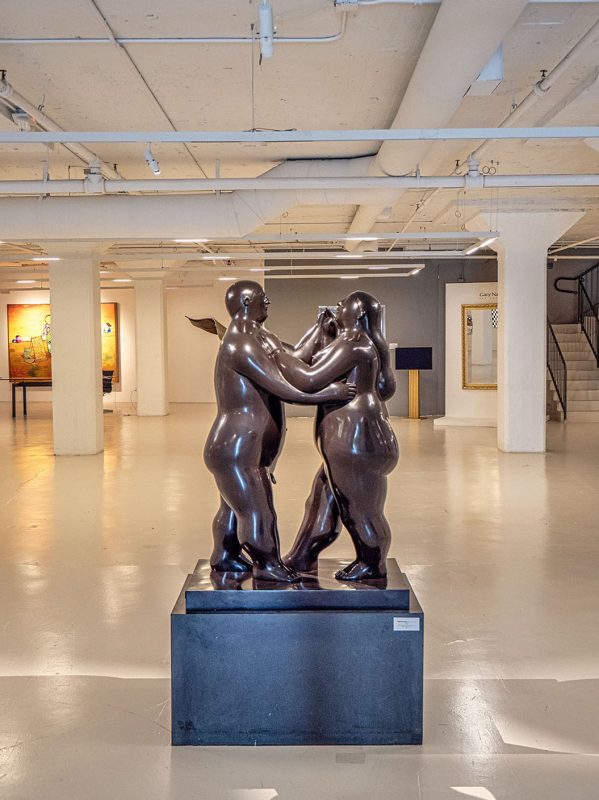
Then spend the afternoon at Superblue Miami, a short drive west from Wynwood in Allapattah at 1101 NW 23rd Street. This is over 50,000 square feet of immersive, large-scale art environments created by some of the world’s most significant contemporary artists.
The teamLab installation fills entire rooms with digital worlds of seasonal flowers and waterfalls that respond to your movement. There is also a James Turrell light installation, accessed through a separate entrance. Book tickets in advance, as it sells out.

Evening
Return to Wynwood for the evening. The neighbourhood’s restaurant scene has grown considerably and now includes everything from serious sushi counters to wood-fired Neapolitan pizza. The weekend night market on the last Saturday of the month draws a brilliant mix of local food vendors, music and people – if your dates align, do not miss it.

Day 3: The Design District, ICA Miami, the Nader Sculpture Park and Upper Buena Vista
Morning
The Miami Design District is a compact square of streets north of Wynwood where luxury fashion, architecture, dining and contemporary art have converged into one of the most visually arresting cultural destinations in the world. More than 130 art galleries, flagship boutiques – Hermès, Louis Vuitton, Prada, Tom Ford, Louboutin – and Michelin-starred restaurants fill beautifully designed buildings set among palm trees and public sculpture.
Start the morning with breakfast or coffee, then spend time simply walking the grid of streets – the architecture and public art installations are attractions in themselves. Don’t miss the fibreglass statue of Le Corbusier by French artist Xavier Veilhan.

For lunch, head to Mia Market, the chef-driven food hall on the second floor of the Design District’s Palm Court at 140 NE 39th Street. With around ten rotating culinary concepts under one roof – including Michelin Guide-featured Sushi Yasu Tanaka, Jaffa’s excellent Israeli mezze and Yann Couvreur’s Parisian pastry counter – it is one of the most enjoyable and flexible ways to eat well in the District without committing to a full restaurant sitting. We had a thoroughly good lunch here.
If you prefer something more substantial, Motek Midtown is a short walk away at 3255 NE 1st Avenue in Midtown – a Miami-born Mediterranean restaurant known for its hummus, laffa breads, kebabs and its award-winning Arayes burger, served in a sunshine-yellow space with a lovely outdoor terrace.

Afternoon
The Institute of Contemporary Art Miami (ICA Miami) sits at 61 NE 41st Street and is one of the most important contemporary art museums in the United States. The building – a luminous 37,500-square-foot structure with a metal and glass façade inspired by the geometric lines of modern architecture – encompasses three flexible gallery levels and a dedicated outdoor sculpture garden.
Admission to the permanent collection is entirely free year-round, which makes it even more remarkable given the calibre of the programme. Check the current exhibition schedule before visiting – the shows here are consistently world-class. We were blown-away by From the Heart to the Hands: Dolce&Gabbana which closed on 14 June 2026.

After the ICA, walk to the Nader Sculpture Park at 4201 NE 2nd Avenue – an open-air museum that opened during Miami Art Week in December 2024 and has already established itself as one of the city’s most compelling destinations. Over 50 monumental sculptures by internationally celebrated artists are arranged across beautifully landscaped grounds, including works by Fernando Botero, Jeff Koons, Yayoi Kusama, Olafur Eliasson, Alexander Calder, Frank Stella and Robert Indiana.
It is free, family-friendly and completely photogenic – one of those places that takes you entirely by surprise. Open Tuesday to Sunday, noon to 8pm.

Late Afternoon into Evening
From the Design District, head a short distance north to Upper Buena Vista – a neighbourhood that feels utterly unlike the rest of Miami. Built around a 120-year-old Bodhi oak tree known locally as the Wishing Tree, this bohemian open-air complex at 5040 NE 2nd Avenue is a curated collection of micro-boutiques, restaurants, a plant shop, a vintage clothing store and wellness spaces set along lush, foliage-lined walkways.
It genuinely feels more like Tulum than Miami – quiet, green and unhurried – and is one of the most relaxing spots in the city for an hour of wandering. We love the handmade ice cream at Peek a Treat.

Day 4: Vizcaya, Coconut Grove and Coral Gables
Morning
This is the day for Miami’s quieter, older, more aristocratic side – and it is one of the most rewarding days of any Miami itinerary.
Begin at Vizcaya Museum and Gardens at 3251 S Miami Ave. This 1916 Italian Renaissance villa, built for industrialist James Deering on the shores of Biscayne Bay, is Miami’s most extraordinary historic property and one of the finest European-style estates in the United States.
The 38,000-square-foot mansion is filled with original furnishings spanning five centuries of European decorative arts – every room a different world, from gilded Renaissance tapestries to Asian-influenced breakfast rooms. The formal gardens, modelled on those of the Italian and French Renaissance, are spectacular, and the semi-submerged stone barge just offshore – shaped like a ship, with stone maidens gazing out to sea – is one of the most romantic architectural details we have encountered anywhere. Book tickets and arrive when it opens.

Afternoon
After Vizcaya, drive or take a Waymo into Coconut Grove – Miami’s oldest neighbourhood and one of its most charming. The streets here are shaded by ancient banyans and royal poincianas, and the pace is slower and more neighbourly than anywhere else in the city.
Peacocks are a genuine local fixture. The area around CocoWalk and the bayfront offers independent restaurants and cafés with a genuine local feel – this is where Miami residents come to breathe.
From Coconut Grove, it is a short drive into Coral Gables – the most beautiful neighbourhood in Miami, conceived in the 1920s as a “City Beautiful” with Mediterranean-style architecture, tree-lined boulevards and bougainvillea-draped mansions.
For lunch, we can particularly recommend Le Parc-Bonjour Café Bistro – a French café bistro set inside the historic Coral Gables Golf and Country Club building at 997 N Greenway Drive, overlooking the Granada Golf Course. The club building itself was constructed in 1922 as the first public building in Coral Gables, developed by the city’s visionary founder George Merrick.
The six original coral rock arches remain from the original structure, and lunch here – almond croissants, salmon tartine, excellent French coffee – with the golf course stretching out beyond, is quietly one of the loveliest spots in Miami. Unhurried, unpretentious and genuinely lovely.
After lunch, explore the neighbourhood on foot. The Coral Gables Venetian Pool at 2701 De Soto Blvd is one of the most unusual swimming destinations in the world – a public pool carved out of a coral rock quarry in 1923, fed by a natural underground spring, with waterfalls, grottos, diving platforms and stone towers. It requires 820,000 gallons of water, which is drained and refilled daily.

Evening
The Biltmore Hotel at 1200 Anastasia Avenue is a National Historic Landmark built in 1926 in the Spanish, Moorish and Italian Renaissance styles, its 315-foot tower inspired by the Giralda in Seville. We stayed here for part of our honeymoon, and it remains one of the most romantic hotels in the United States.
Even if you are staying elsewhere, a walk through the lobby, a cocktail on the terrace or dinner at one of the four restaurants is one of the great Miami experiences.

Day 5: Brickell, Little Havana and a Farewell to Miami
Morning
Brickell is Miami’s financial district and fastest-growing residential neighbourhood – a glass-and-steel skyline rising over the bayfront with a vibrant street-level food and bar scene. We stayed at AKA Brickell on one of our visits, which is an excellent base for this part of the city. The hotel has a beautifully designed pool and BBQ terrace area, a well-equipped gym and two on-site restaurants – comfortable, residential and far less frenetic than the South Beach hotel scene.
Begin the morning with a walk along the Brickell Baywalk, the waterfront promenade running along the bay with views across to Key Biscayne and the Miami skyline. The light here early in the morning is exceptional.

Mid-Morning into Afternoon: Little Havana
From Brickell, head west into Little Havana – the cultural heart of Miami’s Cuban community and one of the most vivid neighbourhoods in the United States. Calle Ocho (SW 8th Street) is the main artery, lined with cafés, cigar shops, domino parks and a sensory intensity that makes it one of the best places in Miami to spend a few hours.
Stop at a ventanita – a walk-up window café – for a proper Cuban cafecito, the intensely sweet, short espresso that fuels the city. Watch the afternoon domino games at Maximo Gomez Park.
Browse the galleries and murals along Calle Ocho and have lunch at Versailles Restaurant on SW 8th Street – the legendary Cuban institution that has been serving ropa vieja, black beans and fried plantains to Miami for decades. Ordering the Cuban coffee here is, as locals will tell you, non-negotiable.

Evening
Return to Brickell for your final evening. The neighbourhood’s rooftop bars and waterfront restaurants offer some of the best sunset views in Miami, with the bay below and the skyline lit up behind you. It is a fittingly spectacular way to close five days in one of the world’s most captivating cities.

Staying Longer? Days 6 and 7 in Miami
If you have two additional days, Miami opens up considerably – and these are the days for the experiences that need more time or a longer drive.
Day 6: South Florida’s Wild Side – The Everglades
No trip to South Florida is complete without at least one day in the Everglades. The classic experience is an airboat ride at Sawgrass Recreation Park in Weston, just west of Fort Lauderdale – skimming across the river of grass past alligators, herons and roseate spoonbills is genuinely thrilling.
For a more immersive and sustainable day, Wild Lime Adventures runs expert naturalist-led small-group tours covering all four of South Florida’s national parks, with mangrove boat rides, wildlife encounters and a proper Florida lunch included. Tours depart from Miami and Fort Lauderdale and sell out well in advance.
If you are combining your Miami trip with time in Fort Lauderdale – which we recommend – The Diplomat Beach Resort in Hollywood makes an excellent base for this day, sitting midway between the two cities with direct beach access and a pool complex that is one of the finest on the South Florida coast.

Day 7: Key Biscayne and a Slower Pace
Key Biscayne is Miami’s quietest, most beautiful escape – a barrier island just minutes from downtown via the Rickenbacker Causeway, with calm turquoise water, uncrowded beaches and a pace that feels a world away from South Beach. Bill Baggs Cape Florida State Park at the southern tip of the island has one of the finest beaches in South Florida and a lighthouse dating from 1825 – the oldest standing structure in Miami-Dade County.
Rent a bike to circle the island, swim off the beach and have a long lunch at one of the waterfront restaurants overlooking the bay. It is the perfect gentle finale to a week in Miami.

How to Get to Miami
Miami International Airport (MIA) is one of the busiest international hubs in the United States, with direct connections from London Heathrow, Manchester and a wide range of European cities. The airport is approximately 8 miles from downtown Miami and around 20-25 minutes by car without traffic.

Fort Lauderdale-Hollywood International Airport (FLL), 30 miles north, is worth considering for UK travellers – it is served by several transatlantic routes and often offers better fares, with Miami easily accessible via car hire or the Brightline high-speed train.
If you are arriving from elsewhere in Florida, the Brightline connects Miami to Fort Lauderdale in around 30 minutes and to West Palm Beach in under an hour – a genuinely civilised way to travel the South Florida corridor.

How to Get Around Miami
Miami is a car city at heart, but it is increasingly navigable without one – particularly if you are staying in Wynwood, Brickell or South Beach.
Waymo is now operating its fully autonomous robotaxi service across a 60-square-mile zone covering Wynwood, the Design District, Brickell, Coral Gables and beyond, bookable via the Waymo One app at prices comparable to Uber. Miami is now the sixth US city to receive the service, and riding in a driverless Jaguar I-PACE through the Design District at night is one of those experiences that feels distinctly of this moment.
Car hire remains the most practical option for visiting Coral Gables, the Everglades or Key Biscayne, or for maximum flexibility across the city. One routing tip that made a consistent difference to our experience: take the West Venetian Causeway Bridge rather than the busier MacArthur Causeway when crossing between Miami Beach and the mainland. It is notably less congested and genuinely scenic, with the calm waters of Biscayne Bay on either side – one of those small local details that improves every journey.
Uber and Lyft are widely available throughout Miami and reliable for most journeys.
The free Metromover monorail is worth knowing about for moving around downtown and Brickell without a car – it covers a useful circuit at no cost.
Miami Beach’s free trolley routes connect South Beach, Mid-Beach and North Beach at regular intervals throughout the day.

Where to Stay in Miami
Sentral Wynwood – Our most recent Miami stay was at Sentral Wynwood serviced apartments, and it transformed the experience of the neighbourhood entirely. Being able to walk straight out of the building into the murals, the gallery energy and the morning café culture is categorically different from driving in from South Beach. The apartments are modern, spacious and well-equipped. For a culture-focused trip, this is the strongest base in Miami.
AKA Brickell – On one of our stays, we based ourselves at AKA Brickell serviced apartment, which work well for anyone who wants to be in the financial district without sacrificing residential comfort. The pool and BBQ terrace area is genuinely well-designed and far more relaxed than pool scenes on South Beach. The gym is well-equipped, there are two on-site restaurants, and the location puts you within easy reach of the baywalk, Little Havana and Coconut Grove.
Faena Hotel Miami Beach – For South Beach luxury, the Faena at 3201 Collins Avenue is the most theatrical hotel in Miami. The gold-plated woolly mammoth skeleton in the lobby sets the tone: extravagant, surreal and magnificently confident. The private beach, cabaret venue and exceptional service justify the rates for a special occasion.
The Setai Miami Beach – For something quieter and more refined on South Beach, The Setai’s three pools, Asian-influenced design and exceptional service make it the most serene option on the strip.
Four Seasons Hotel at the Surf Club, Surfside – For families or those seeking a more residential pace, the Four Seasons at the historic Surf Club in Surfside – just north of Miami Beach – offers 1,000 feet of Atlantic beachfront and beautifully restored 1930s architecture. The kind of unhurried luxury the busier South Beach properties cannot quite match.
The Biltmore Hotel, Coral Gables – For those who want to be based in Coral Gables and immerse themselves in the older, more gracious side of Miami, the Biltmore is a National Historic Landmark hotel of genuine grandeur, with four restaurants, its own golf course and the largest hotel pool on the East Coast of the United States.

Practical Notes for Your Luxury Miami Itinerary
Best time to visit: December through April is Miami’s dry season, with temperatures between 22-29°C, low humidity and almost no rain. This is peak season – book well in advance. May through October brings heat, humidity and the risk of afternoon thunderstorms; rates drop considerably and the city is quieter.
Getting the most from the art scene: The Design District, Wynwood, ICA and the Nader Sculpture Park can all be combined into one very full day, or spread across two at a more relaxed pace. If your trip coincides with Miami Art Week in early December (centred on Art Basel Miami Beach), book accommodation months in advance – the city fills completely.
Tipping: Miami operates on US tipping culture – 20% at restaurants, $5-10 for hotel porters, $3-5 per night for housekeeping.

Frequently Asked Questions
How many days do you need in Miami? Five days is the minimum to experience Miami properly – enough for South Beach, Wynwood, the Design District, Little Havana and either Vizcaya or a day trip. Seven days allows a much more relaxed pace, with time for Key Biscayne and a full Everglades excursion.
What is the best area to stay in Miami for a luxury trip? It depends on your priorities. South Beach places you at the centre of the beach and nightlife scene. Brickell is the best base for combining bay views with easy access to Coral Gables and Coconut Grove. Wynwood is ideal for a culture-focused trip. The Surf Club area in Surfside offers the most refined, residential luxury with direct beach access.
Is Miami walkable? In parts. South Beach, Wynwood and Brickell all have walkable cores. The wider city is large and spread out, and you will need a car, Waymo or rideshare to move between neighbourhoods comfortably.
What is the best time of year to visit Miami? December through April offers the most reliable weather – warm, dry and sunny. This is also peak season for events, with Art Basel in December, the South Beach Wine and Food Festival in February and Ultra Music Festival in March. Summer is hot and humid but significantly cheaper.
What is the best way to get between Miami and Fort Lauderdale? The Brightline high-speed train is the easiest and most enjoyable option, connecting the two cities in around 30 minutes with comfortable seating and on-board dining. Car hire gives more flexibility for Everglades day trips.
Do you need a car in Miami? Not necessarily, particularly for a South Beach or Wynwood-focused trip. Waymo, Uber and the free Metromover handle most urban journeys. A car becomes valuable for day trips to the Everglades, Key Biscayne, Coral Gables or Fort Lauderdale.
Read next:
