
The northern lights, also known as the aurora borealis, is an amazing natural phenomenon that can be seen in northern latitudes. This article will discuss where to see the Northern Lights and how to photograph them. You’ll learn about the best times of year to visit and what camera settings you should use for capturing their beauty.
You will also learn about the best northern lights tours and where you can go to avoid light pollution. Finally, we’ll discuss some northern lights myths and what causes them! The northern lights are one of nature’s most amazing spectacles; here is how to experience them.
Facts About the Northern Lights
The northern lights are the result of collisions between electrically charged particles from the sun that enter Earth’s atmosphere, blown by the solar wind. They appear as a shifting glow in northern skies, particularly in the late autumn to early spring when our planet is tilted away from the Sun and faces out into space.
The auroral oval is the area where northern lights are likely to be visible. This includes North America, Greenland, Iceland, Scandinavia, Scotland and Russia.
The best time to see them is during the winter months when there are dark nights.
There are many strange northern light superstitions. The Vikings believed that northern lights were caused by the fox-fire of witches; in northern Norway, they believed that northern lights were called the “Merry dancers” and if you saw them it meant good luck.
There is a lot to learn about this phenomenon, but it can be best described as an amazing light show. The northern lights occur between 60 and 72 miles above Earth’s surface; however, they range from 40-400+ miles depending on how active they are.
In the Southern Hemisphere, you can see the aurora australis, or southern lights. New Zealand, the Falkland Islands, South Georgia Island, Antarctica and Ushuaia in Argentina are some of the best places to see the southern lights.
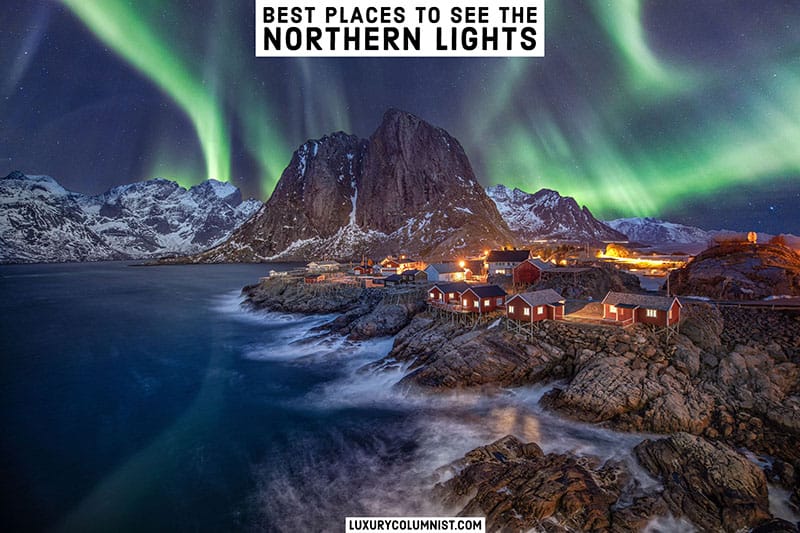
Best Places to See the Northern Lights
Here’s a selection of the very best spots in the world where you have the best chance of seeing the Northern Lights.
Where to See the Northern Lights in Greenland
The best place to view the northern lights here is near Ilulissat, which is known as the northern lights capital of Greenland. The northern lights are best seen during winter time when it’s dark outside and there aren’t any clouds in the night sky.
Another good place to see northern light displays is at Kangerlussuaq, but this means that you’ll be far away from any northern lights activity in Ilulissat. The best months to see northern lights at Kangerlussuaq are March and April, but it’s not guaranteed that you will get the chance to view them during this time period.
A third good place for northern lights viewing is at Nuuk, which sits on the northern most point of Greenland near the Arctic Circle. You won’t get to see northern light displays as often in this area compared to Ilulissat or Kangerlussuaq, but it’s still worth checking out if you happen to be passing through town.
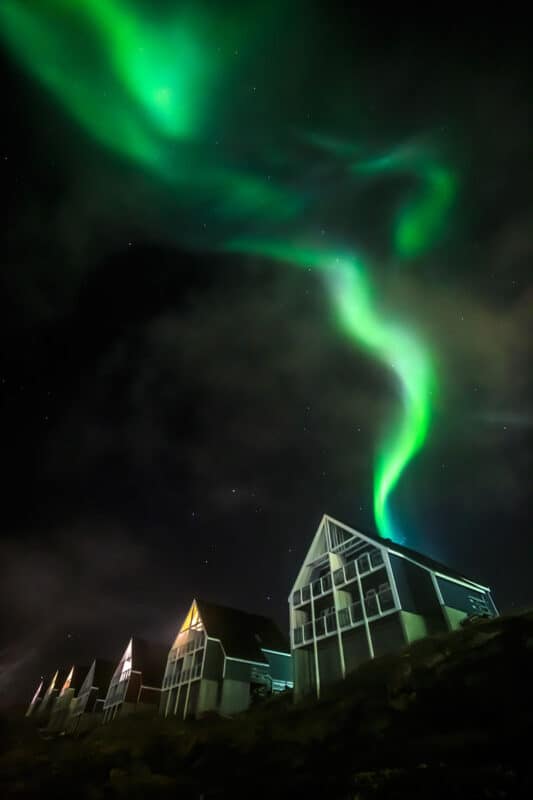
Where to See the Northern Lights in Iceland
Iceland has many tours that take you out into the wilderness where you can see them without any light pollution. You can also go on a Northern Lights yacht cruise and be lucky enough to experience them from the sea.
You can see northern lights in all parts of Iceland, but some places offer better chances than others. The northern city of Akureyri has an especially high number of northern light displays thanks to its location near Eyjafjörður fjord which acts as a natural northern light tunnel.
In the northern part of Iceland, you can also visit Mývatn Lake and nearby Myvatn Nature Baths which is a popular tourist destination located in northern Iceland. The lake has high activity because it sits next to Krafla volcano which emits northern lights-triggering UV rays when active. These northern lights are best viewed from between September and April, with the most northern parts of Iceland being the favored locations to see them.
Grímsey island, which has a population of about 100 people living there year round, has the northern lights every night as they sit directly under the Arctic Circle where it is dark for 24 hours a day. The northern lights have been so prevalent here that many buildings are painted white to prevent them from being seen as they would disrupt the darkness of night!
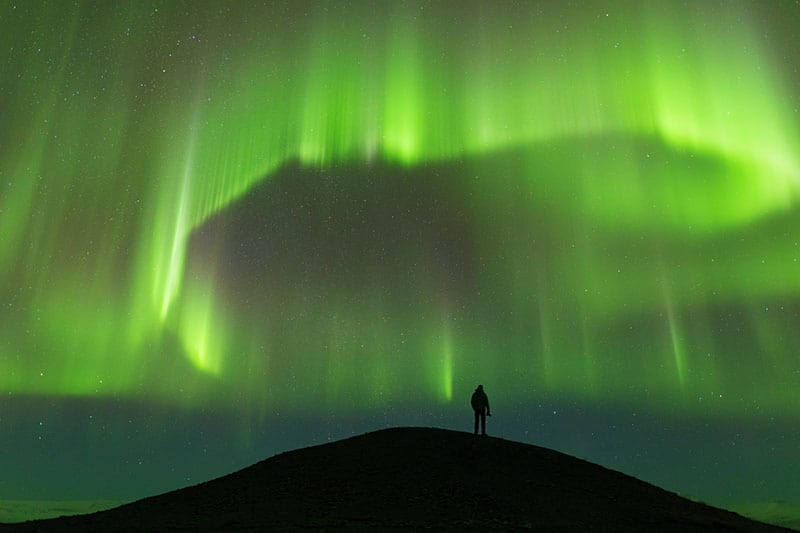
Where to See the Northern Lights in Canada
One of the best places to see northern lights is Manitou Beach, located at the south end of Lake Winnipeg. This area is ideal for photographers because you can get a clear view from almost anywhere along this small town’s coastline. The northern lights are visible from September through April and if you time it right, you can catch them dancing over the northern horizon as a vibrant green, pink or yellow hue.
Churchill is located on the west coast of Hudson Bay and is famous for its polar bears. The northern lights are prominent from October to March, which means you have an opportunity to see them while exploring this town’s northern lights tours. The northern lights are viewable from anywhere along the Hudson Bay coast, but if you want to take a photo of them with a polar bear in the background, head over to Cape Merry where its cliffs offer an unobstructed northern horizon line.
Yellowknife is located right on Great Slave Lake, which means northern lights can be seen from anywhere along the lakefront. This town has a large northern lights festival in early March and is very lively during that time of year. The northern lights are viewable most nights between October and April, but if you’re really hoping to catch them dancing across the sky, plan your visit for February when it’s the darkest.
Tuktoyaktuk is located at northern tip of Canada, and because it’s the most northern town on mainland North America, you can see northern lights from anywhere along its coastline. These northern lights are viewable between November and February when there aren’t many sources of light obscuring them.
Inuvik lies just south of the Arctic Circle and has one of the northernmost northern lights festivals in the world. The northern lights are viewable from October to mid-April, but if you’re visiting during its northern light festival (February), you can expect a vibrant scene with northern lights dancing overhead and musicians playing on street corners throughout town.

Where to See the Northern Lights in Norway
Norway has a large coastline and many fjords which benefits those looking to view this light show because it creates areas of no light pollution. Furthermore, northern Norway experiences the midnight sun which allows for more hours to view this spectacular event.
One of the best places to see northern lights is in Tromsø, northern Norway because it has long winter nights and many clear days during early spring – late autumn (September-April). Take a small group tour for the best experience.
While northern Norway is an ideal place to view the northern lights, it is also possible to see them further south. For example you can take a cruise or drive north along the coast of Trondheim and Bodø.
Other places that are good for northern lights in Norway are Trondheim, Kirkenes and northern areas around the Lofoten Islands. Stay in Reine, one of the most beautiful villages in the world.
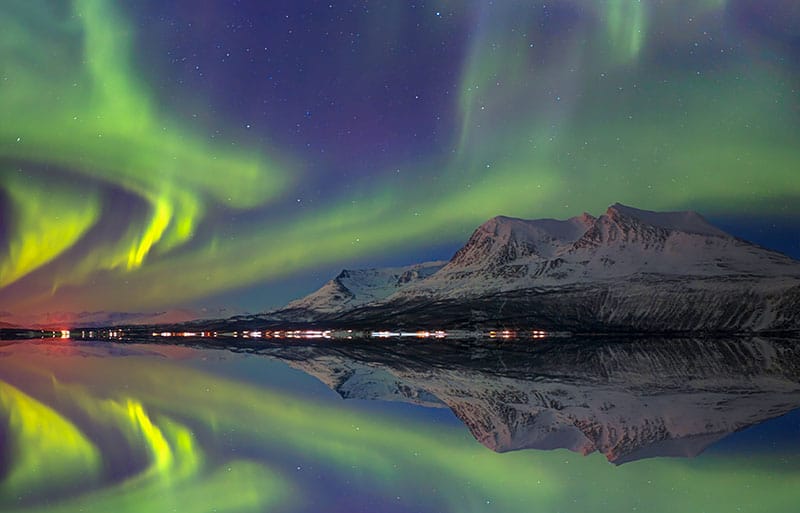
Where to See the Northern Lights in Finland
The northern lights are best seen from northern Finland in the winter months, when there is less light pollution. In northern Lapland you can see them at Kilpisjärvi and Ylläs.
In northern Savonia, Pyhätunturi offers a great view of the Northern Lights with a northern view. You can also visit Pyhäjärvi or Ylikiiminki in northern Ostrobothnia for a northern lights sighting.
In northern Kainuu and northern Lapland you can see the northern lights from Kuhmo in Tohmajärvi at Lake Pielinen.

Where to See the Northern Lights in Sweden
Northern Lights Tour from Stockholm: There is a company named Borealis that offers expeditions specifically for viewing the northern lights. Their tours include transportation, equipment for northern light photography, and of course northern lights observation. Tours range from several hours to multi-day excursions.
Abisko National Park: If you are not looking to go as far north as Borealis tours will take their guests, a good option would be staying in one of northern Scandinavia’s national parks. Abisko National Park is the northernmost national park in Sweden and offers northern lights tours throughout fall, winter, and spring.
Northern Lights from Lapland: If northern Scandinavia is too far to travel, or if you are looking for something closer to home, aurora viewing tours can also be booked in Lapland. It will probably not have the reputation of Abisko National Park, but it has fewer tourists and more chance for northern light activity!
One of the northernmost towns in Sweden, Kiruna is an excellent location to see the northern lights because it offers views that are free from light pollution.
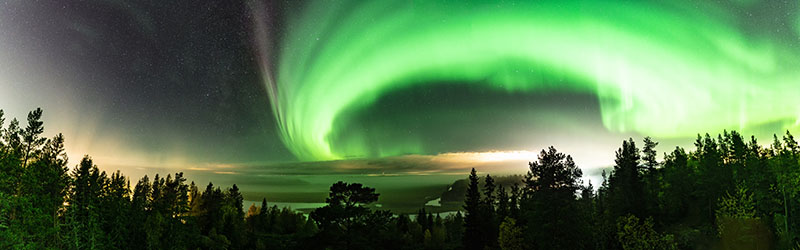
Where to See the Northern Lights in Alaska
Northern Alaska is the best place in all of North America to see northern lights. The northern most towns, such as Utqiagvik and Barrow offer tremendous opportunities for seeing northern lights. Anchorage offers a great view of northern lights when they’re visible because it’s not far south of the Arctic Circle and has long hours of darkness during winter.
The best places to see the northern lights in Alaska include Denali National Park, Talkeetna and Chena Hot Springs Resort in Fairbanks. If you’re looking for a small group Northern Lights tour, then the best thing to do is head over to Talkeetna, where there are plenty of northern light tour groups that will not have so many people in them!
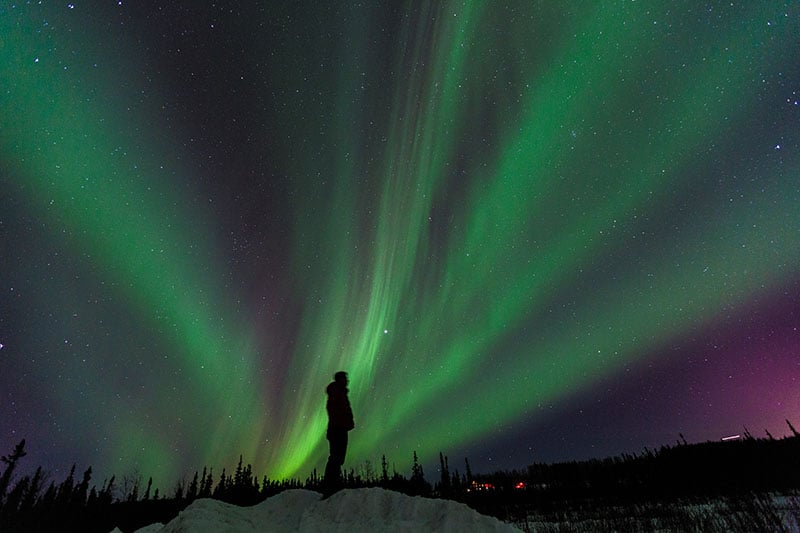
Where to See the Northern Lights in Russia
The northern lights are visible in Russia from September to April. One of the best places is Lake Baikal, which has approximately 20% more solar energy than other areas and has clear skies for up to 300 days a year.
Another great place is Khibinogorsk-Kolomensky Nature Reserve near Moscow. This area is also very clear for northern lights viewing, but it’s a bit more difficult to reach.
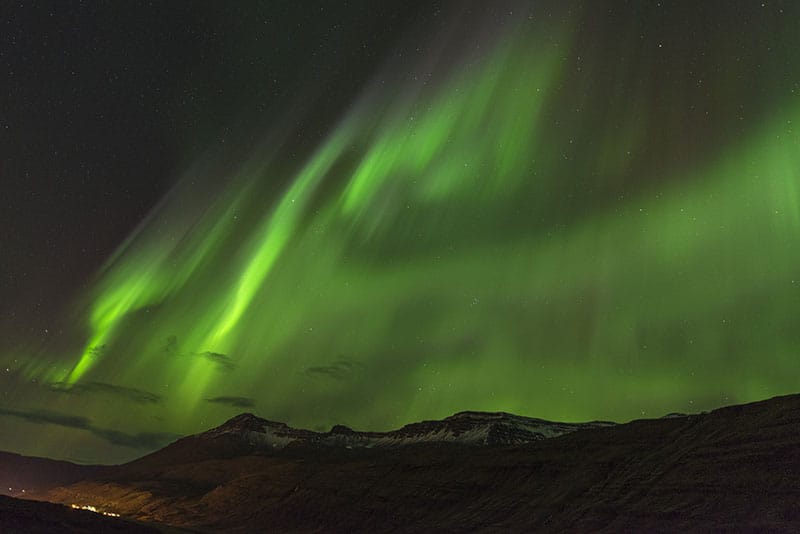
Where to See the Northern Lights in Minnesota
Minnesota is home to some of the most northern regions in the United States. This makes it a prime location for viewing northern lights!
The northern part of Minnesota has high probabilities of seeing northern light activity any time between September and April due to its dark skies, which is perfect for this type of viewing. Northern Minnesotan communities that are known to be northern light hotspots are Duluth, Grand Marais, and Lutsen.
Grand Marais is known to have northern lights frequently due to its northern latitude (47°11′N). Many people report seeing the northern lights at least once a month in this area during winter months.
The best viewing times tend to be between 11pm and midnight. Grand Marais offers a lot for visitors who want to stay overnight or longer! There are many different lodging options including hotels, B&Bs, cabins and Airbnb rentals.
Lutsen is also popular for northern light viewing because most nights have little atmospheric disturbance due to its northern latitude (46°26′N). The northern lights are also easily viewable from this area due to its dark skies.
Northern light tours are available in Lutsen, but you can always do your own northern lights viewing at the top of one of the ski hills! You can even rent a room or cabin that has northern views
Duluth is a popular northern light viewing location because it is well known for its northern latitude (46°15′N). Northern light tours are available, but many people also head up the Duluth hill or down along Minnesota Point for better northern views. The best times for northern lights in this area are between midnight and dawn.
Voyageurs National Park is another good option. Head to the northern end of Kabetogama Lake or Sawbill Landing, located on South Kawishiwi River.

Where to See the Northern Lights in Scotland
One of the best places to see aurora borealis is in Caithness, northern Scotland. This area has very little light pollution and provides amazing views for those looking to capture pictures of the lights. The northern coastline also allows you to take a look at where the waves meet sky, a very unique view.
The University of Glasgow has a northern light research center where you can see the northern lights through many different types of telescopes and other high-tech equipment, bringing it to life for those viewing from afar. They are constantly finding out new things about this amazing natural phenomenon.
The northern lights can be seen more clearly from the Storr, a northern light observatory in Trotternish. This is a great place to go for those looking at seeing the northern lights and enjoying views of other amazing natural occurrences such as sea stacks or rock formations rising out of the ocean.
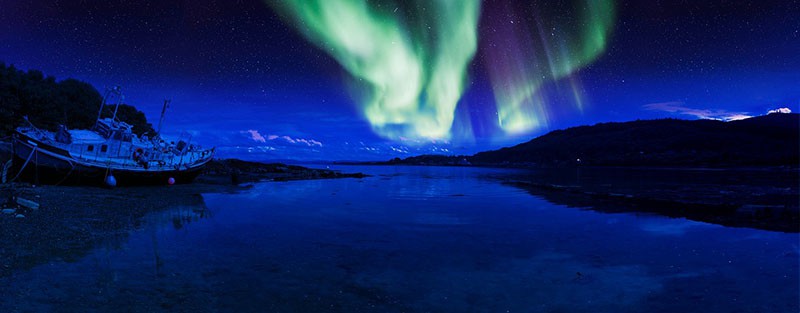
Where to See the Northern Lights in Idaho
In Idaho, there is a small chance that you can see northern lights because this state has been known to have spotty occurrence records for northern lights. However, northern lights hunting is still a favorite activity for many northern Idahoans. Tourists travel to northern Idaho in hopes of viewing this amazing natural phenomenon but it doesn’t always work out the way they planed.
Priest Lake is located in the northern panhandle area and has a population under 1000 people making it an ideal spot for northern light viewing. There are many different locations that are perfect for northern light viewing including Arrowleaf Trailhead, East Shore State Park – Boat Launch Area, Kendall Katwalk and White Pine Ski Hill.
Idaho Panhandle National Forest has a high elevation and also features areas of boreal forests that are known to have lots of northern lights activity.
Where Should I Avoid Visiting?
There are places where the northern lights cannot be seen because they are too close to the equator. Southern parts of India, Spain and Italy are some examples where northern lights cannot be seen from their latitudes. Avoid any places with bright city lights, which will interfere with your viewing.
Tips for Seeing the Northern Lights
1. The best times of year to visit northern latitudes for northern lights are between September and March, with a peak time in January.
2. If you want a more remote experience, try going out on your own or with a local guide. There are many tour companies that specialize in getting people out to see the lights.
3. The northern lights are most visible between the hours of 11pm and dawn, so you will need to wait for nighttime before photographing northern lights with your camera.
4. Consider going somewhere with minimal light pollution, such as Alaska.
5. Bring warm clothes and food if you plan to stay for a long period of time.
6. Make sure that you have an emergency kit in case anything happens while you’re out there.
7. Be prepared for cold weather – dress in layers and bring gloves, hats, scarves, coats, etc., as well as snacks and water bottles.
How to Photograph the Northern Lights
What Equipment do I Need?
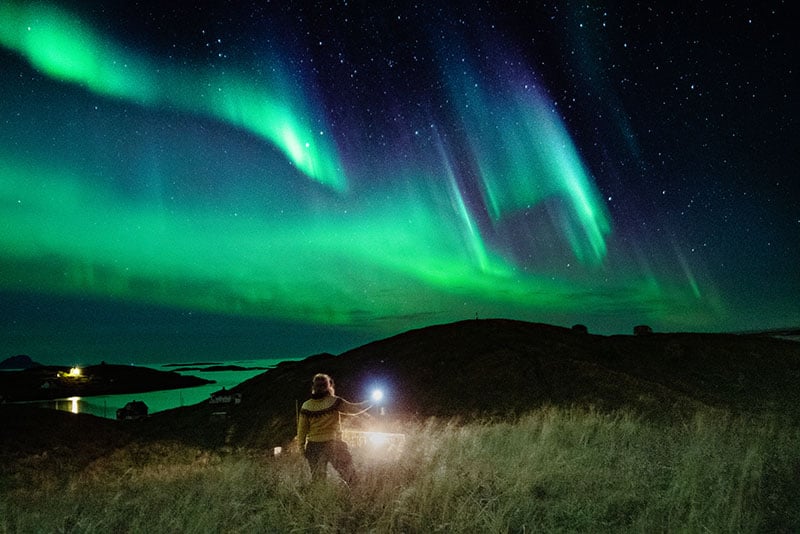
To photograph the northern lights you’ll need a DSLR camera with manual mode. A tripod is essential so that your northern lights images come out clear.
It’s best if you can photograph northern lights when there is a full moon, as it provides lighting in the sky and will help to illuminate northern lights. Take a photography tour of the Lofoten archipelago in Norway for some great tips.
Camera Settings
You will need an exposure of five minutes or more to capture northern lights as they are not very bright and don’t tend to stay in one place for long. Set your aperture as wide as possible (lowest f number) e.g. F/0.95 and use a fast shutter speed (try to minimise ISO and increase exposure time instead).
If you have a narrow aperture, then set it to f/22 or higher so that northern lights are sharp in photographs. Ensure that you focus on infinity or at least 20 feet in front of your northern lights.
Final Thoughts on Where to See The Northern Lights
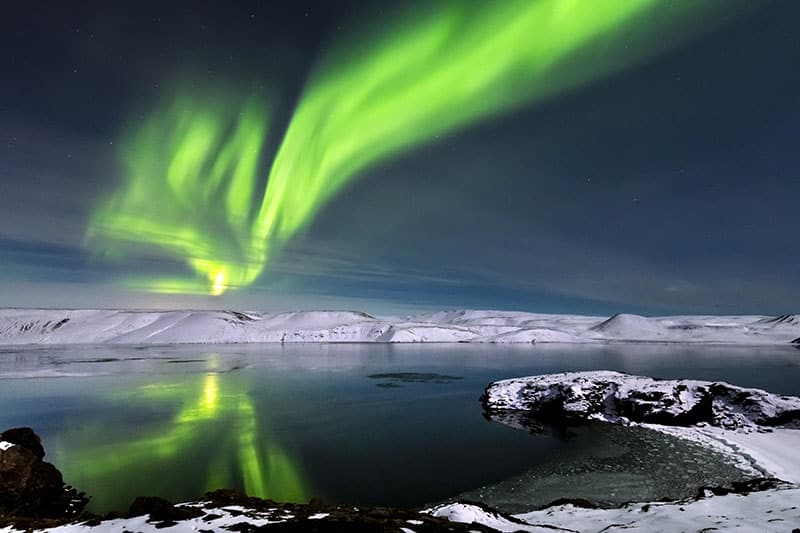
The most common places to see the Northern Lights are in Alaska, Canada, and Iceland. If you’re lucky enough to live near any of these countries, then it’s worth taking a trip up there.
If you don’t have the time for that, then head out into your backyard on a clear night with no moonlight. Another option is an airplane – if you can afford it and know when the next meteor shower will be happening, then this could be a great way to experience them while flying over them at 30-40 thousand feet in the air.
You may also want to consider renting a cabin near one of these locations so you can enjoy other activities while waiting for the perfect opportunity. If you’re lucky enough to experience this natural phenomenon for yourself, please share your photos with us so we can all enjoy them too! :).
Read Next:
- The Best Waterfalls in the World
- The Best Hot Springs in the U.S.
- Where to Spend Christmas in Europe
Like this guide to where to see the Northern Lights? Pin for later or share with friends.

Looking for more travel hacks and tips? From hidden gems to unique experiences, we’ve got you covered.
Join us on Facebook, Instagram, Pinterest and Twitter.
