
If you’re looking into river cruising tips for first timers, you’re already ahead of most new cruisers who book first and figure out the details later. River cruising rewards a bit of preparation. The ships are smaller, the itineraries are more intimate, and the whole rhythm of the trip is different from an ocean voyage, so a little planning goes a long way toward making that first sailing feel effortless.
Here are the tips we’d give any first-time river cruiser, from choosing where to sail to what to actually pack.
What Are the Essential River Cruising Tips for First Timers?
The most important river cruising tips for first timers are choosing the right river for your travel style, booking with an established operator, checking what’s included in the fare, and packing light for a smaller ship. Getting the cabin, ship amenities and excursion planning right in advance also makes a noticeable difference to how relaxed the trip feels once you’re on board.
Many first timers are also deciding between a river and an ocean cruise, so here is how the two compare at a glance.
| River Cruise | Ocean Cruise | |
|---|---|---|
| Ship size | Small, often under 200 guests | Large, often thousands of guests |
| Ports | Docks in or close to town centres, with a new stop most days | Often further from the centre, with sea days between ports |
| Scenery | Riverbank views throughout the sailing | Open water between destinations |
| Motion | Calm, with very little movement | More noticeable swell |
| Cabins | Compact, many with French balconies | Wider choice, including large suites |
| Dress code | Relaxed smart casual | Varies, often with formal nights |
| What’s included | Often excursions, drinks and WiFi | Usually priced separately |
| Onboard facilities | Intimate, with lounges, talks and local entertainment | Extensive, with theatres, pools and casinos |
1. Choose the Right River and Region First
Every river has its own personality. The Rhine and Danube suit travellers who want castles, vineyards and compact medieval towns within easy reach of each other. The Mekong and Irrawaddy suit those after a slower, more immersive cultural experience. Decide on the kind of scenery and pace you want before you start comparing operators, since that choice narrows everything else.
We’ve visited towns along both the Rhine and the Danube, and the riverside scenery on each is genuinely picturesque, with half-timbered villages, vineyard-covered hillsides and church spires visible long before the ship docks.

2. Book With a Reputable, Established Operator
This is the step first timers most often rush, and it’s the one worth slowing down on. An established operator with a long track record on your chosen river will have better relationships with ports, more reliable excursion partners and crew who know the route inside out.
Operators offering a luxury river cruise itinerary, for example, tend to build in the kind of small touches, included excursions, better cabin categories and more flexible dining, that make a real difference on a first sailing. For a broader comparison of who does what well, our guide to the best luxury river cruise lines is a useful starting point before you commit.
3. Read the Fine Print on What’s Included
River cruise pricing varies more than ocean cruise pricing. Some lines include all excursions, drinks and gratuities in the headline fare; others charge extra for anything beyond a basic shore tour.
It’s also worth checking whether onboard WiFi, airport transfers and even return flights from the UK are bundled in, since some river cruise lines include all three while others price them separately. Before you book, get a clear list of what’s included so you’re not caught out by add-ons once you’re on board.
4. Pack Light, Pack Smart
River ships are considerably smaller than ocean liners, and cabin storage reflects that. A soft-sided case rather than a rigid suitcase makes stowing easier. Layers matter more than volume, since river itineraries often move through several climate zones in a single week, and comfortable walking shoes are non-negotiable given how many excursions involve cobbled towns and uneven towpaths.
We always find that a lightweight waterproof jacket or a folding poncho is worth the small amount of packing space it takes up. Much of a river cruise is spent walking between the ship and the town centre and weather can turn quickly.
5. Understand Cabin and Deck Differences
Not all cabins are equal on a river ship. Lower decks tend to have smaller windows, sometimes just above the waterline, while upper decks usually offer French balconies or full balconies with better light and views.
If a view matters to you, it’s worth paying the difference, since the gap in experience between decks is more noticeable on a river ship than on a large ocean vessel.
6. Choose a Ship With the Amenities That Matter to You
Not every river ship offers the same onboard experience, so it’s worth deciding what actually matters to you before comparing prices. Some ships carry a fleet of e-bikes guests can borrow for independent exploring in port, others put the emphasis on an onboard gym, sauna or spa for downtime between excursions.
Others differentiate themselves with a genuine range of dining venues rather than a single set menu each night. Crew-to-guest ratio is another detail worth checking, since a higher ratio usually means more attentive service and a more personal feel to the whole trip.

7. Plan Around Included and Optional Excursions
Most river cruises build a complimentary excursion into each port day, with paid options for those who want something more specific such as a cooking class, a private vineyard visit, a cycling tour. Look at the excursion list before you book if there’s a particular experience you don’t want to miss, since spots on the smaller optional tours can fill quickly once on board.
8. Budget for the Extras
Beyond the cruise fare, factor in specialty dining, spa treatments, premium drinks packages if they’re not included, and gratuities. River cruises can feel all-inclusive at first glance, but the extras add up in the same way they do on any trip, so building a realistic extra budget in advance avoids surprises at checkout.
9. Time Your Trip Around the Season
River water levels fluctuate with rainfall and snowmelt, which can occasionally affect itineraries, particularly in late summer or early spring. Spring sailings tend to bring blossom and lower crowds, while Christmas market cruises in November and December are among the most popular and book out earliest.
Decide what you want to see and check how the season affects both scenery and availability.
10. Learn a Little River Cruise Etiquette
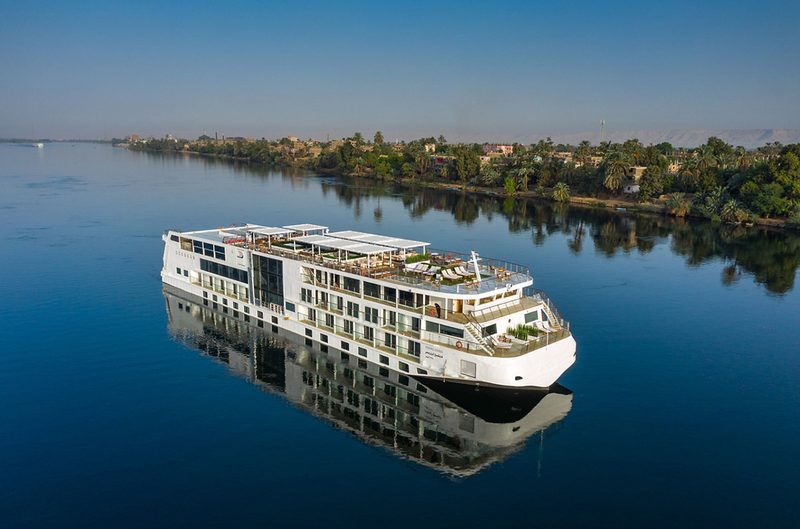
River ships are smaller and more communal than ocean liners, often carrying under 200 guests, so mealtimes and lounge areas naturally involve more interaction with fellow passengers and crew. Dress codes are typically more relaxed than on ocean cruises, but it’s still worth checking whether your line has a smart-casual expectation for dinner.
11. Check Accessibility and Mobility Needs in Advance
River ships often dock directly in town centres, which is part of the appeal, but it also means gangways, cobbled streets and walking tours are a bigger part of daily life than on an ocean cruise. If mobility is a consideration, ask your operator directly about gangway access, lift availability on board and how strenuous each day’s included excursion is.
The Cruise Lines International Association publishes general accessibility guidance that’s a useful starting point for planning around specific needs.
Key Takeaways
River cruising for first timers comes down to matching the right river, operator and cabin to how you actually like to travel, then packing and budgeting with the smaller scale of the ship in mind. Get those decisions right and the rest of the trip tends to take care of itself. For a broader comparison of who does what well, our guide to the best luxury river cruise lines is a useful next stop before you book.
Frequently Asked Questions About River Cruising for First Timers
Is river cruising good for first timers?
Yes, river cruising is an easy way to try cruising for the first time. The ships are small, the water is calm and you wake up in a new town most days, so there is little time at sea and no need to navigate a huge vessel.
What is the difference between a river cruise and an ocean cruise?
River cruises use smaller ships that sail inland waterways and dock in or near town centres. Ocean cruises use much larger ships with more onboard facilities, and they spend more time at sea between ports.
Do you get seasick on a river cruise?
Seasickness is rare on a river cruise because rivers are far calmer than open water. Most guests barely notice the movement of the ship, though locks and faster currents can occasionally be felt.
What is usually included in a river cruise fare?
This depends on the line, but many include daily excursions, meals, some drinks and onboard WiFi. Airport transfers and flights are included by some lines and charged separately by others, so always check before you book.
What is the best river for a first river cruise?
The Rhine and the Danube are the most popular choices for first timers thanks to their castles, vineyards and charming medieval towns. Both have a wide choice of itineraries and sailing dates, which makes comparing options straightforward.
