A luxury Suffolk weekend break puts you among some of the best preserved medieval architecture in the country, all within easy reach of each other. Paul and I recently spent three days in Lavenham and Bury St Edmunds, a picture-perfect Suffolk village and one of its most historic towns, and came away convinced this corner of England deserves a spot on any luxury traveller’s list. Between a spa hotel stay, a guided food and drink tour, and a stately home with an art collection that rivals many European galleries, it was a weekend that balanced relaxation with genuine cultural discovery.
We’ve been covering luxury travel across 37+ countries for over a decade, and what struck us most about Suffolk was how effortlessly it delivers that same sense of occasion closer to home. Here’s exactly how we spent our 48 hours, from where we stayed to where we ate.
How to Get to Suffolk
Suffolk sits in the East of England, bordered by Norfolk to the north, Cambridgeshire to the west, and Essex to the south, with a coastline facing the North Sea. It’s an easy county to reach whether you’re coming from London, from elsewhere in the UK, or from abroad.
By car
Lavenham and Bury St Edmunds are both around 1 hour 45 minutes to 2 hours from central London by car, depending on traffic, via the A12 and A14. The two towns sit roughly 20 to 30 minutes apart, making a self-drive itinerary the easiest way to combine them.
By train
Bury St Edmunds has its own railway station, with direct trains from London Liverpool Street taking around 1 hour 40 minutes, usually changing at Ipswich. Lavenham itself doesn’t have a station, so the most practical route is to take the train to Sudbury or Bury St Edmunds and pick up a taxi or hire car for the final leg.
By air
The nearest international airports are London Stansted, around an hour’s drive away, and London Southend, both of which serve a wide range of European and UK routes. For visitors flying in from further afield, London Heathrow and London Gatwick are roughly two and a half hours away by car, making Suffolk an easy add-on to a wider UK trip.
About Lavenham
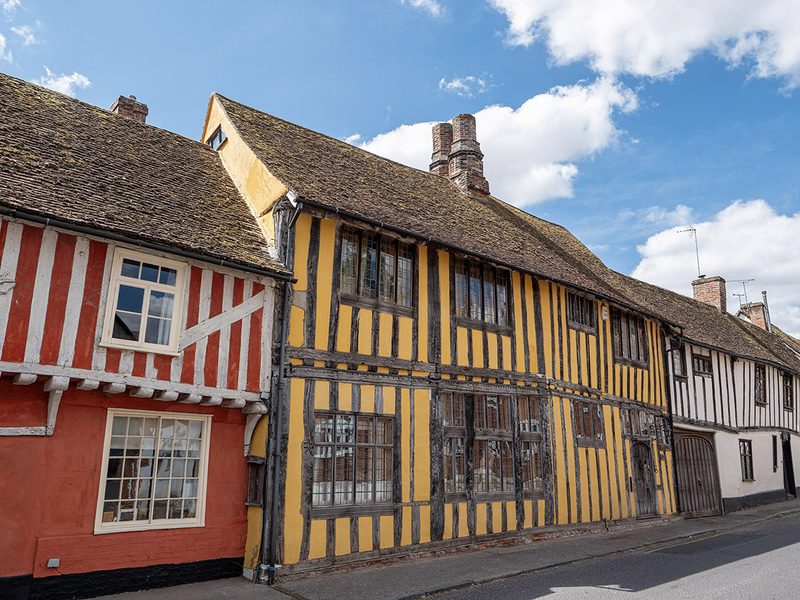
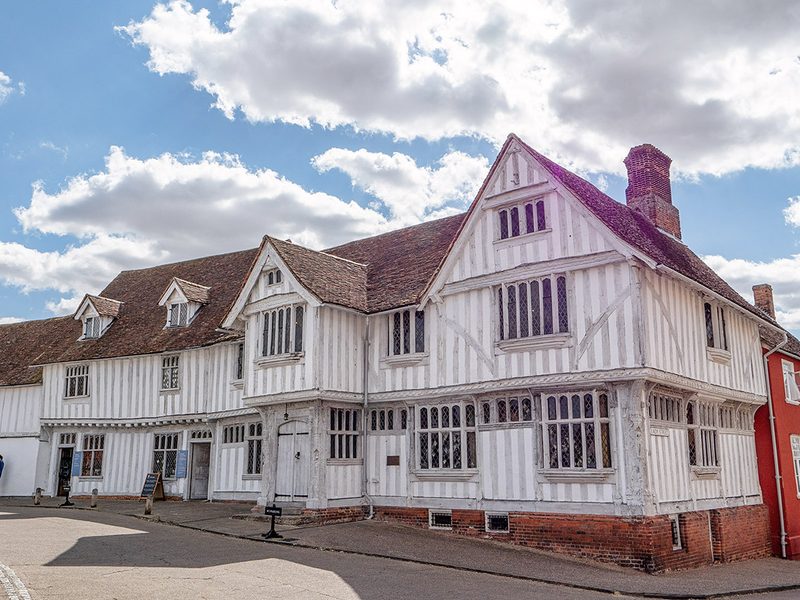
Lavenham is one of England’s best preserved medieval villages, its crooked, timber-framed buildings still standing much as they did over 500 years ago. During the 15th and 16th centuries, wool sourced from elsewhere in England was brought here to be woven into fine broadcloth, and the trade made Lavenham one of the twenty wealthiest settlements in the country.
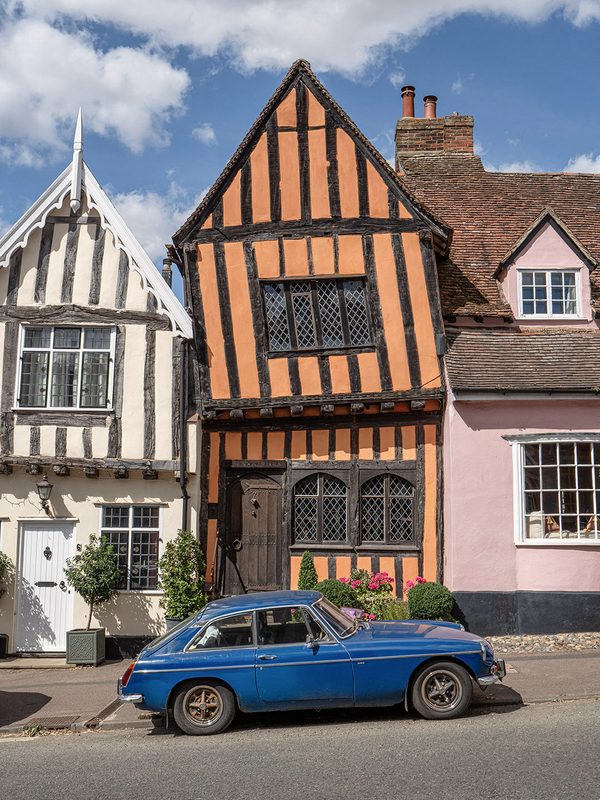
That wealth is still visible today in the scale and craftsmanship of its buildings, several of which lean at improbable angles along the High Street. Talking of which, you’ll most likely spot Henry the MGB in front of the 600 year old Crooked House at 7 High Street.
The village’s Guildhall, market place and parish church of St Peter and St Paul, one of the grandest “wool churches” in Suffolk, all reflect that Tudor-era prosperity. Lavenham also has a Harry Potter connection: its medieval streets served as the visual basis for Godric’s Hollow, though the main cast never actually filmed here. A second unit shot the village in secret, while the actors performed their scenes on a huge outdoor set at Pinewood Studios, with the footage later combined using CGI.
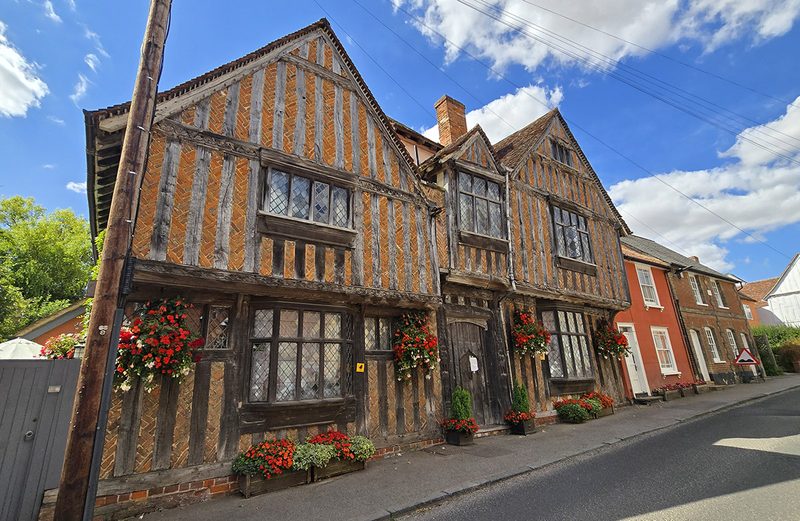
Fans will also want to seek out De Vere House on Water Street, the timber-framed building used as the exterior of Harry Potter’s birthplace, though it’s a private home, so please be respectful of the owners and residents if you stop for a photo.
Lavenham Farmers Market was named the Best Farmers Market in the UK at the Farm Retail Association Awards. It takes place on the fourth Sunday of every month at the village hall.
About Bury St Edmunds
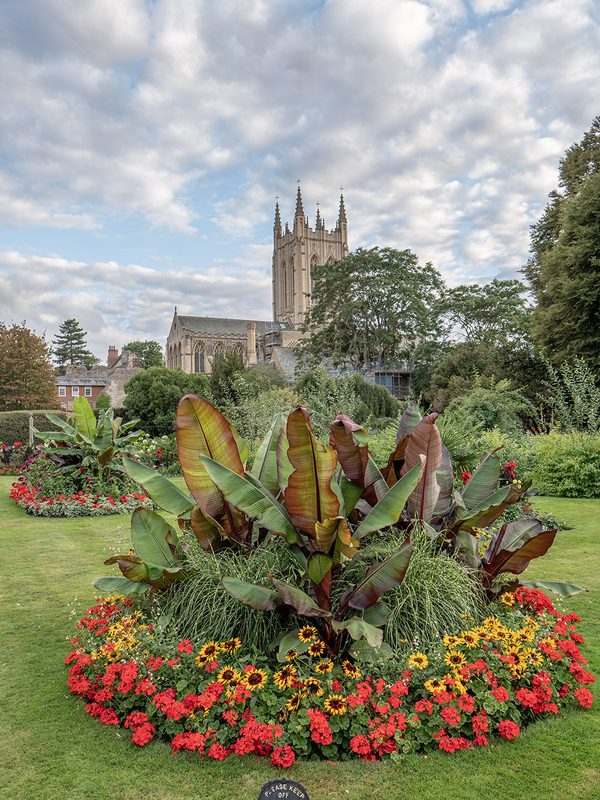
Bury St Edmunds takes its name from Edmund, the Anglo-Saxon King of East Anglia who was martyred in 869 AD and later became a saint. The town grew up around Bury St Edmunds Abbey, once one of the largest and most powerful Benedictine monasteries in England, and its ruins still dominate Abbey Gardens today.
According to a 2020 survey, these are the fifth most visited free attraction in England. We came across these life-size scarecrows in the gardens, although they are moved around the town throughout the year. The 8 scarecrows represent famous people and characters connected to Suffolk, including Ed Sheeran, St Edmund, Mary Tudor, Benjamin Britten, Twiggy, Geno Washington, Ralph Fiennes, and Peter Pan.
The town combines that deep history with a genuinely lively food and drink scene, independent shops, and a compact, walkable centre built around Angel Hill, St Edmundsbury Cathedral, the Great Gate, Moyse’s Hall Museum and the Georgian Theatre Royal. It’s this mix of heritage and everyday character that makes it such a satisfying place to explore on foot.

Where to Stay: The Swan at Lavenham Hotel and Spa
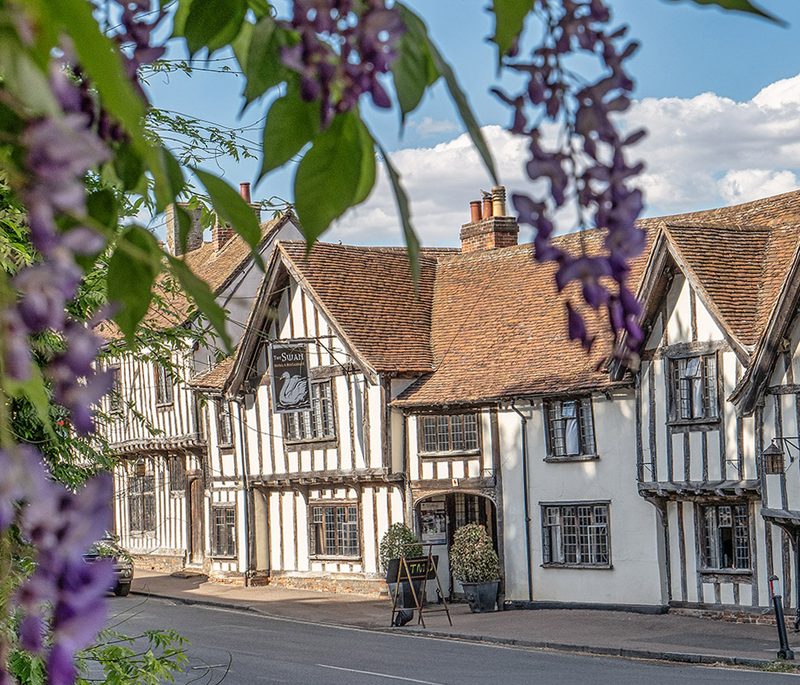
A half-timbered icon on Lavenham’s High Street
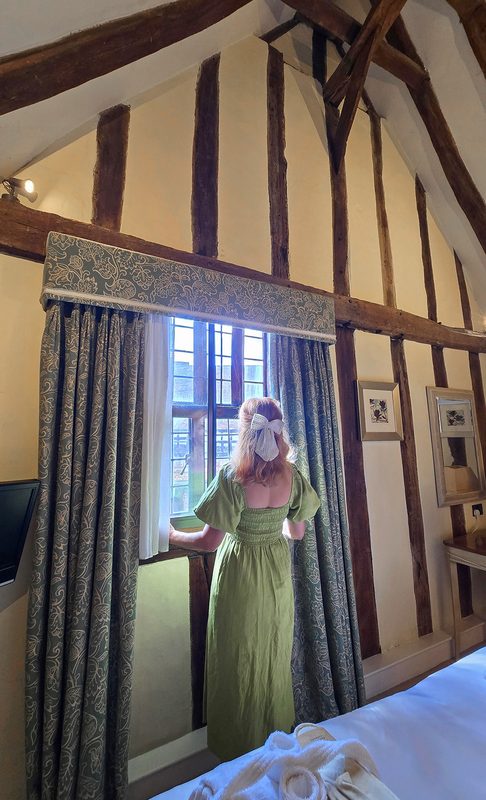
We checked into The Swan at Lavenham Hotel and Spa, a collection of historic half-timbered buildings on the village’s High Street, for a two-night stay. Check-in is a smooth 3pm, with checkout by 11am, and the property’s General Manager Rosalia Ferrara oversees a team that clearly takes hospitality seriously.
Parking is refreshingly simple for a town this old. Guests can pull up outside the main entrance to drop bags on the double yellow lines, before being directed to one of two complimentary car parks for hotel guests on Hall Road or Lady Street. No access codes are needed, just a quick vehicle registration at the front desk.
One of the things that impressed us the most about the hotel is the amount of reception rooms. In addition to the historic Airmen’s Bar, named after the 487 Bombardment Group, there are several cosy timbered rooms including one with board games to play.
Day One: Spa and Dinner in Lavenham
Weavers’ House Spa
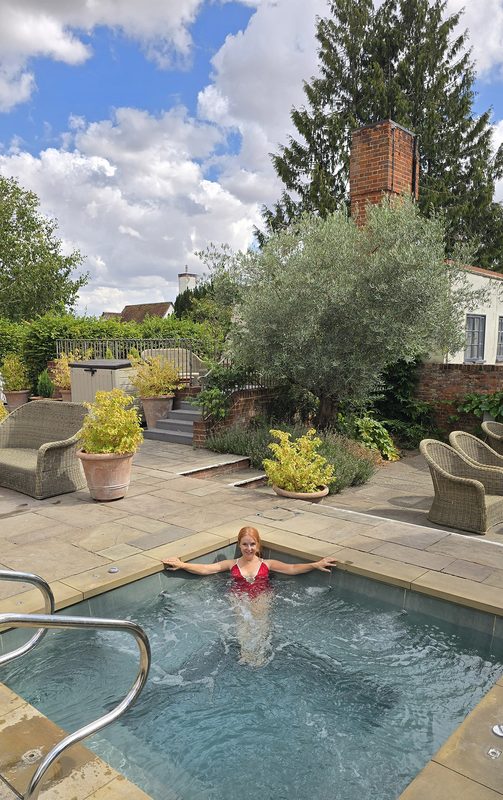
On our first afternoon, we spent time in the hotel’s Weavers’ House Spa, which includes an outdoor heated vitality pool, a steam room, sauna and relaxation lounge. Fluffy robes, towels and slippers are provided, along with individual changing rooms, small but thoughtful touches that makes the space feel more private members’ club than hotel add-on.
Guests can also book facials, massages and specialist treatments. There’s a wide range of packages including the Weavers’ House Hug, a relaxing face, scalp, hands, feet and body experience.
Dinner in The Gallery Restaurant
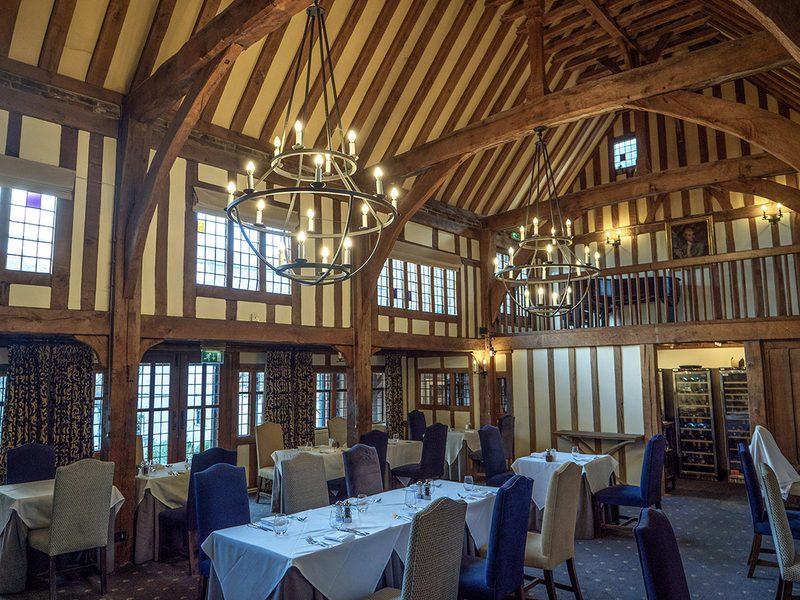
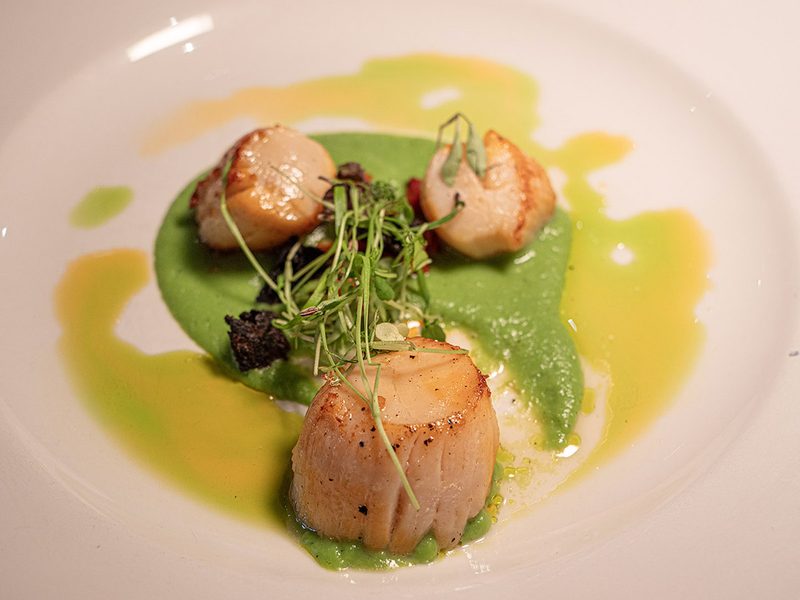
That evening we had dinner in The Gallery restaurant, where a three-course menu showcased modern British cooking in a beautifully restored setting. It’s the kind of meal that anchors a luxury weekend, unhurried, well-paced, and served in a room with real architectural character.
We found the service efficient and friendly at the same time, and the food itself was delicious – making the most of seasonal ingredients and local produce. There’s also the Mess Call 487 restaurant, which boasts a charming outdoor courtyard as well as indoor seating.
Day Two: Lavenham Guildhall to Bury St Edmunds
Lavenham Guildhall
We started the morning at Lavenham Guildhall, a National Trust property that opens its tea room at 10am and the Guildhall itself at 10.30am. It’s a compact but rich look at the village’s medieval cloth trade, when wool sourced from elsewhere was woven and finished here to make Lavenham one of the wealthiest places in England.
The guildhall appeared in Harry Potter and the Deathly Hallows – Part 1 as part of the fictional village of Godric’s Hollow. There’s a charming courtyard cafe at the back if you’re looking for refreshments.
It was fascinating to learn from the museum’s guides why Lavenham is so well preserved. The village’s grand buildings were originally funded by the wealth of the cloth trade, but when that industry declined, homeowners could no longer afford to modernise them. That lack of investment, ironically, is what left the buildings largely untouched for centuries. They’ve since been lovingly restored to their former glory.
The drive to Bury St Edmunds
Leaving Lavenham by early afternoon, the drive to Bury St Edmunds takes 20 to 30 minutes depending on traffic. We parked at the Ram Meadow Cotton Lane car park, a short 10-minute walk from the town centre, at a cost of £3 for the full day (8am to 6pm).
A guided Food and Drink walking tour
The highlight of the day was a 2.5 hour Food and Drink guided walking tour with local guide John Saunders, who met us near the Pillar of Salt signpost on Angel Hill. It’s a brilliant way to understand Bury St Edmunds through its independent food scene, led by someone who knows every corner of the town and most of the inhabitants!
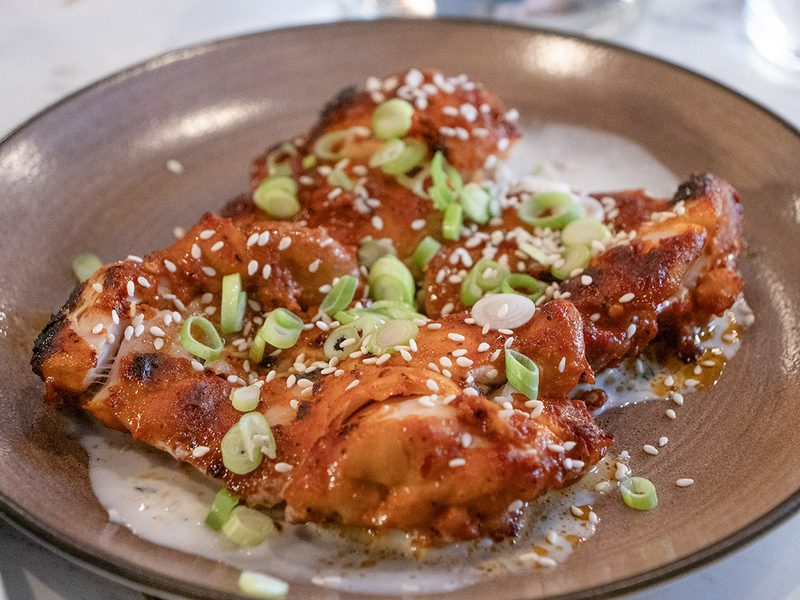
The tour took in a brilliant spread of independent spots: Lotties Artisan Waffles and Coffee, Procopio’s Pantry for their star-shaped cheese scones, Papaki’s Deli for delicious Greek mezze, Adnams Bury St Edmunds for craft beer and wine, Canto, a wood-fired restaurant and cocktail bar for wood-fired pizzas and Gochujang chicken thighs, and finished at Vespers Belgian Beer Bar. I particularly enjoyed the Boon Framboise raspberry lambic fruit beer at the latter, but they have a great selection of drinks.
What made the tour especially enjoyable was the group itself. Most of our fellow participants were repeat visitors who had booked onto the tour before, and everyone was genuinely friendly and happy to chat. It’s a lovely, low-key way to meet local people and fellow food lovers, and a reminder that the best walking tours are as much about the company as the itinerary.

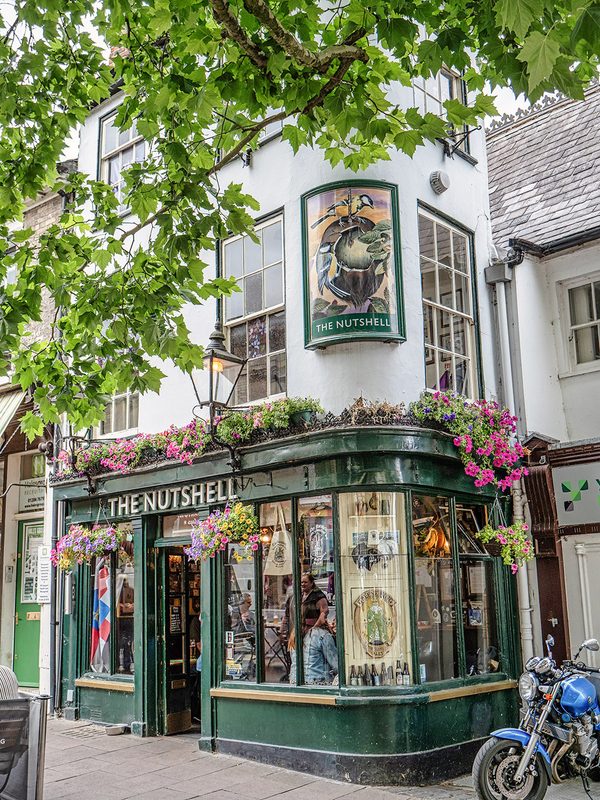
If you’re in town for breakfast, we’d recommend Blend Coffee and Wine Bar on Abbeygate Street. It’s a few minutes’ walk from the meeting point, and sits opposite what locals have nicknamed the “fanciest Greggs in the UK.” After the tour, Paul and I popped into The Nutshell on the corner of The Traverse and Abbeygate Street, officially one of the smallest pubs in Britain.
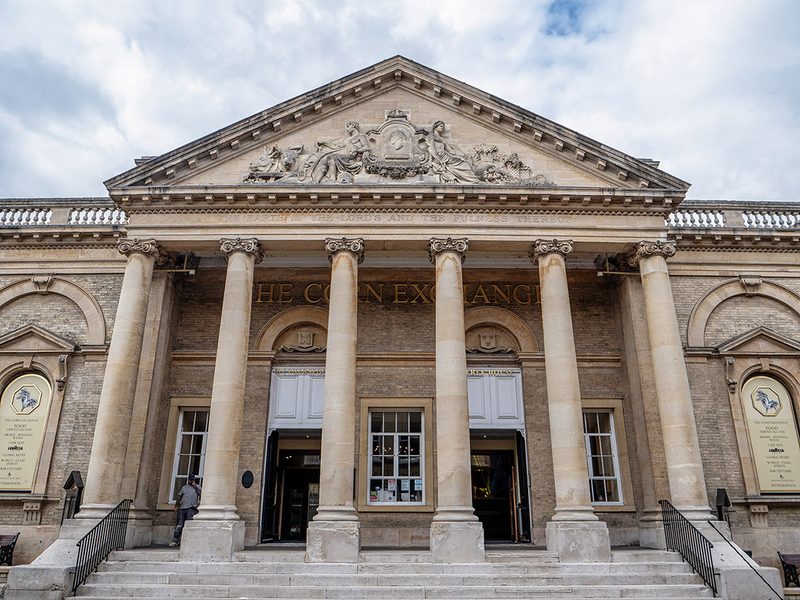
The Corn Exchange
Another stop worth building into any itinerary is the Wetherspoon’s housed in the former Grade I listed Corn Exchange, which has been called one of the most beautiful Wetherspoons pubs in the country, and it’s easy to see why.
Dinner at Damson & Wilde
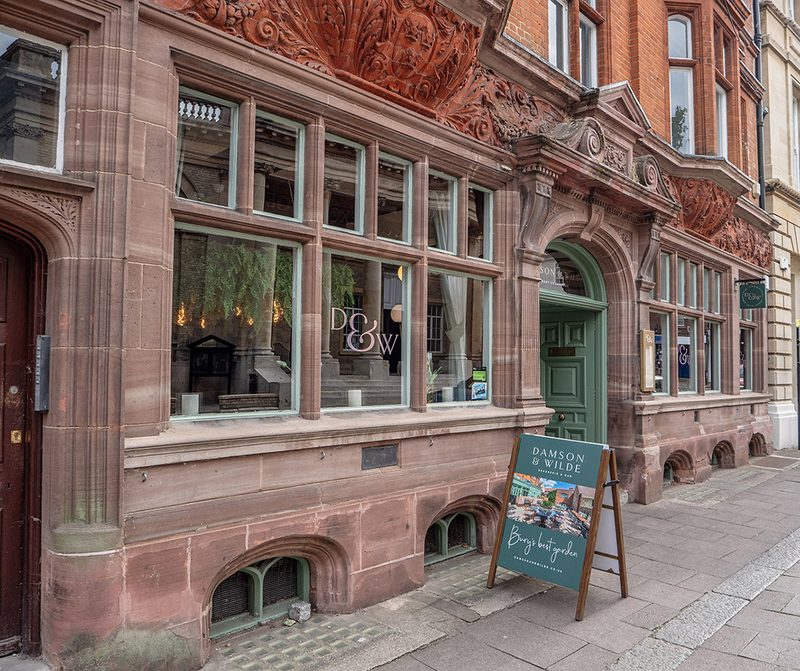
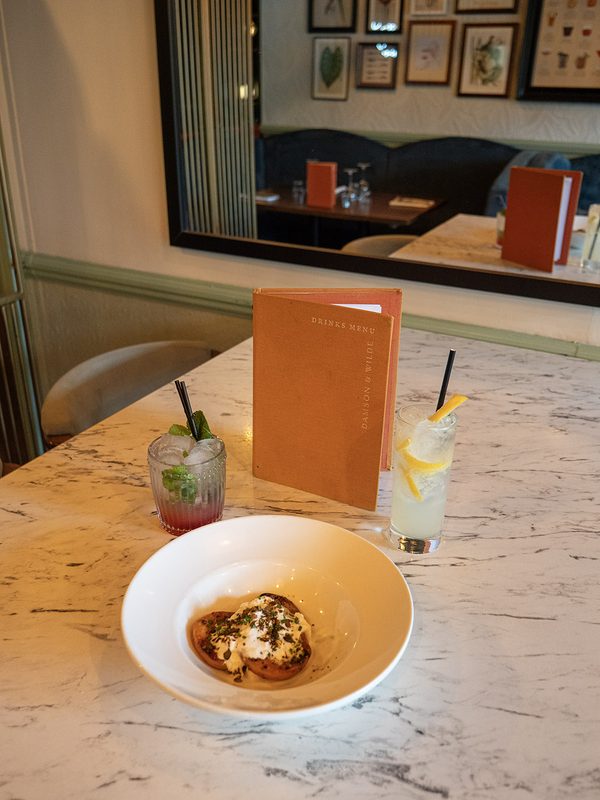
We finished the day sharing dishes over a starter and main course at Damson & Wilde Brasserie & Bar on Abbeygate Street, a fitting end to a day built around Bury St Edmunds’ food credentials. We started with burrata, grilled apricots, pistachio and basil, a dish that captured the menu’s focus on fresh, seasonal ingredients perfectly.
The setting matched the food: relaxed but polished, the kind of brasserie that would feel just as at home in a much bigger city. There’s a lovely courtyard garden where you can dine when the weather is good.
Day Three: Ickworth House and Garden
An unexpected art collection
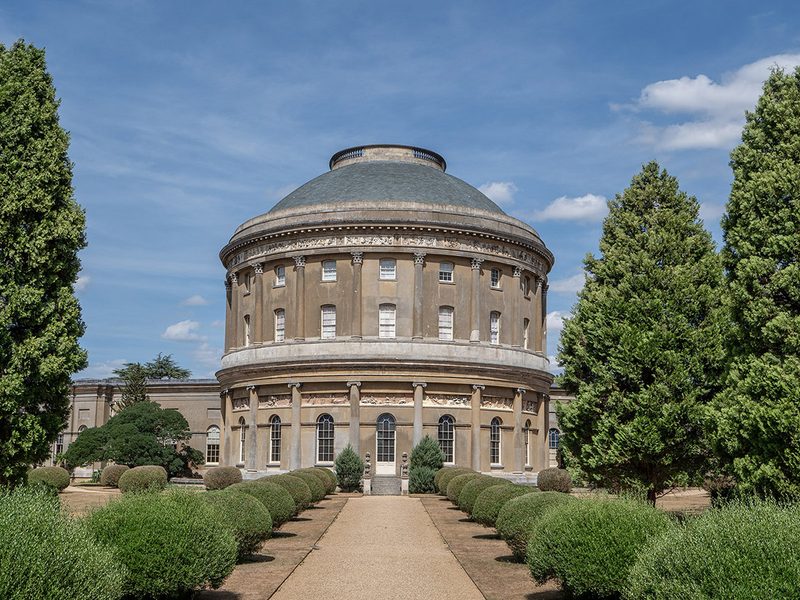
Our final morning was spent at Ickworth House and Garden, part of the wider Ickworth Estate near Horringer. The house was the vision of Frederick Hervey, 4th Earl of Bristol and Bishop of Derry, known as the “Earl-Bishop,” who began building it in 1795 after being inspired by the classical architecture he encountered on his travels through Italy.
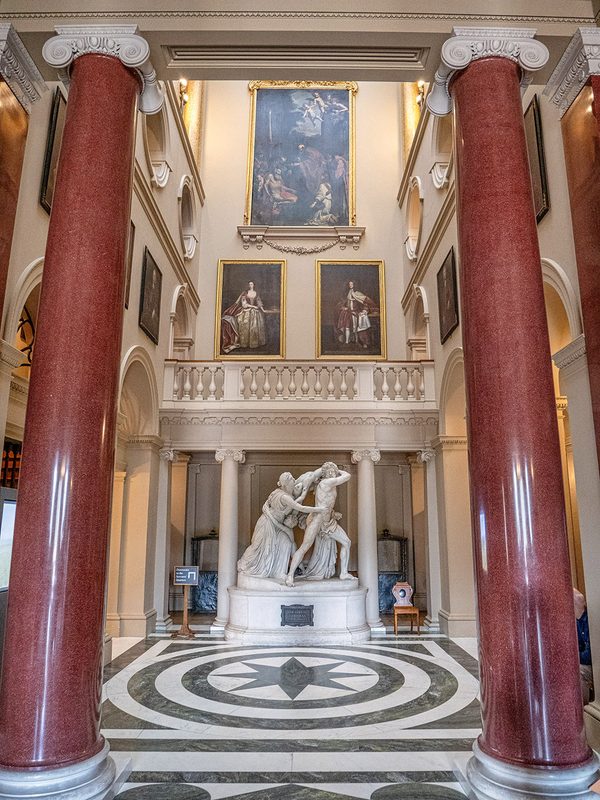
Its extraordinary central Rotunda, based on designs by the Italian architect Mario Asprucci, was originally intended as a private gallery to house the vast art collection he’d amassed on his European tours. This National Trust property is open from 11am to 3pm and holds a genuinely significant art collection, including works by Thomas Gainsborough, Joshua Reynolds, Titian, Benjamin West, Elizabeth Vigée Le Brun and Velázquez, alongside notable silver and furniture.
Beyond the house, the estate’s historic Italianate gardens and charming parkland walks are worth setting aside extra time for. There are a couple of eateries, including The West Wing Café, where you can eat on the terrace like we did if the weather’s good, and Porter’s Lodge Café.
One practical tip: don’t rely on the postcode for satnav. The main entrance is via Horringer Village on the A143, and routes through Chevington should be avoided as it’s a no through road.
Why Suffolk Deserves a Place on Your Luxury Travel List
What made this trip work so well was the pacing. Nothing about Lavenham or Bury St Edmunds feels rushed, and that unhurried quality is exactly what a proper luxury weekend break should offer. Between the spa, the guided tour, and a house full of Old Masters, it’s an itinerary that punches well above its geography.
For Paul and me, it was a reminder that some of the best luxury travel doesn’t require a long-haul flight, just the right two or three days, in the right towns, done properly.
Read next: